Greetings from Rome

So much to mention — this will be a long post. You’ve been warned.

My favourite thing about Rome is that there are ruins everywhere, just laying there, for no good reason. People use two thousand year old collapsed, intricately carved pillars as benches at bus stops — it’s nuts. Even in the suburbs, ancient aqueducts run everywhere, through streets and parks, ready to be climbed on and everything.

At the Vatican, I spent a solid hour staring at the School of Athens — I loved it. Now, on the opposite wall of the School of Athens (in fact the whole room and ceilings) are more paintings by Raphael, which are just as well painted, but nonetheless didn’t grab my attention. I wondered why this was and thought about it as I left the Raphael room and continued on to see the Sistine Chapel (for the second time, I had already seen it earlier in the morning).

I thought that one reason why was because of the subject matter: all the other painting were about Jesus etc., and by now I’ve seen enough Jesus paintings to last a lifetime, whereas all the historical figures in the School of Athens (including many mathematicians!) and how, for example, Plato looked like Leonardo, was all very interesting to me. So that explanation made sense and I was somewhat satisfied.

But continuing along the route to the Sistine Chapel, to the side, was a small empty room with some paintings. I went in and immediately noticed this one little painting of Mary and Jesus that I thought was rather lovely, so I went up closer to admire it. It was beautiful. And then I realized that this painting contradicted my Raphael theory, because I really liked this Jesus painting. I took a picture of it, and then I read the artist’s name: Vincent van Gogh. I wish there was a camera to capture my jaw literally drop, and stay dropped for almost a minute. I was blown away.
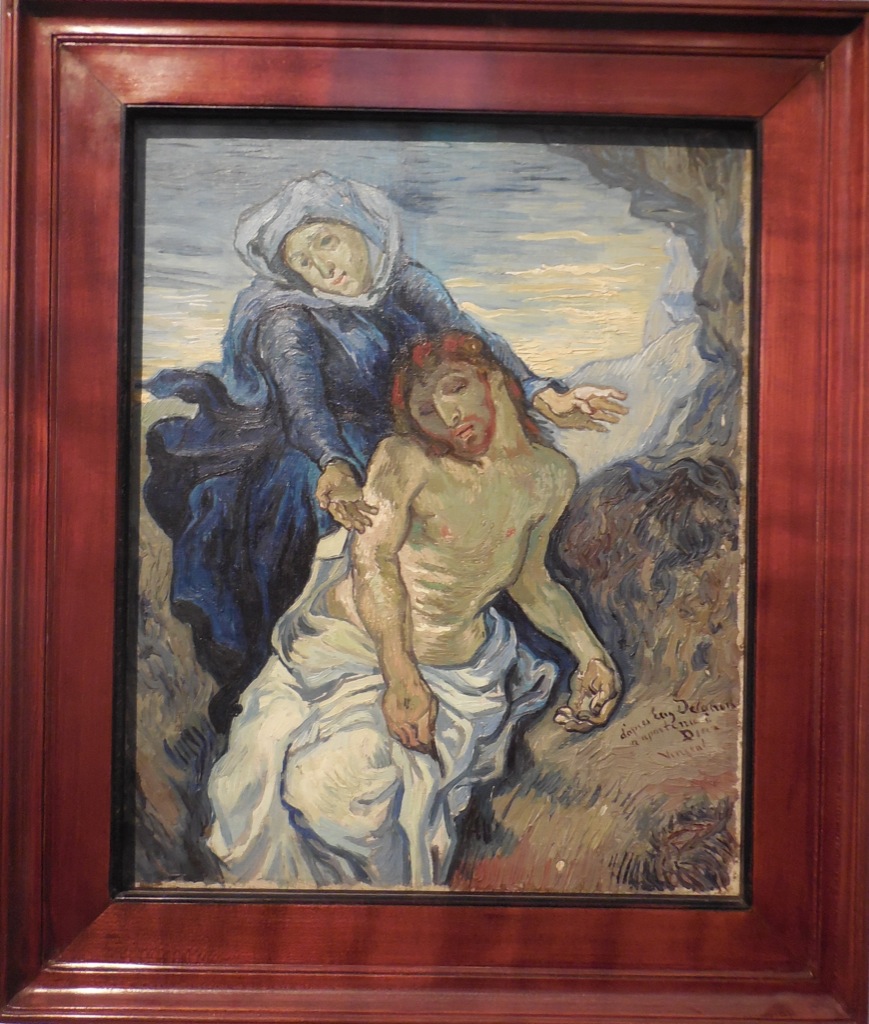
I’m always trying to understand how my (and others) thought process works, and I’m always trying to find ways to test it. Before this I had wondered: do I like Van Gogh because people who know art tell me he was so great, or do I actually like his stuff on my own? I have fun asking questions like this. Not that one way or the other is better, I just sorta wonder about the root of these things. So this was sort of a natural experiment to test that, and it turns out that, yes indeed, I really do like Van Gogh (at least now that I understand his style, which I don’t think I would’ve ever understood on my own).

And there was no one in the room! I couldn’t believe it. I wanted to go into the crowded hallway and yell to everyone that there was a Van Gogh in there! (There was also a Gauguin, fwiw.) To appreciate this, you have to understand how crowded the Vatican Museum is — think “crowded subway station”. And this room was empty.
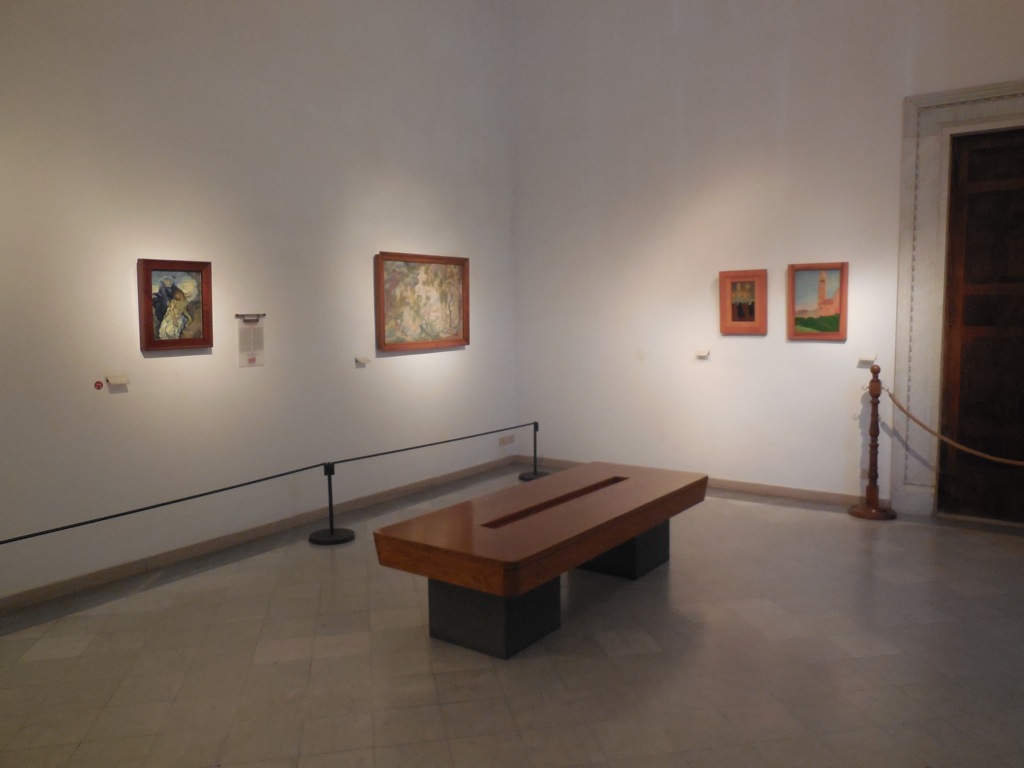
So I spent two hours in there, staring at the painting. And then I had a sudden urge to draw it. Try not to laugh.
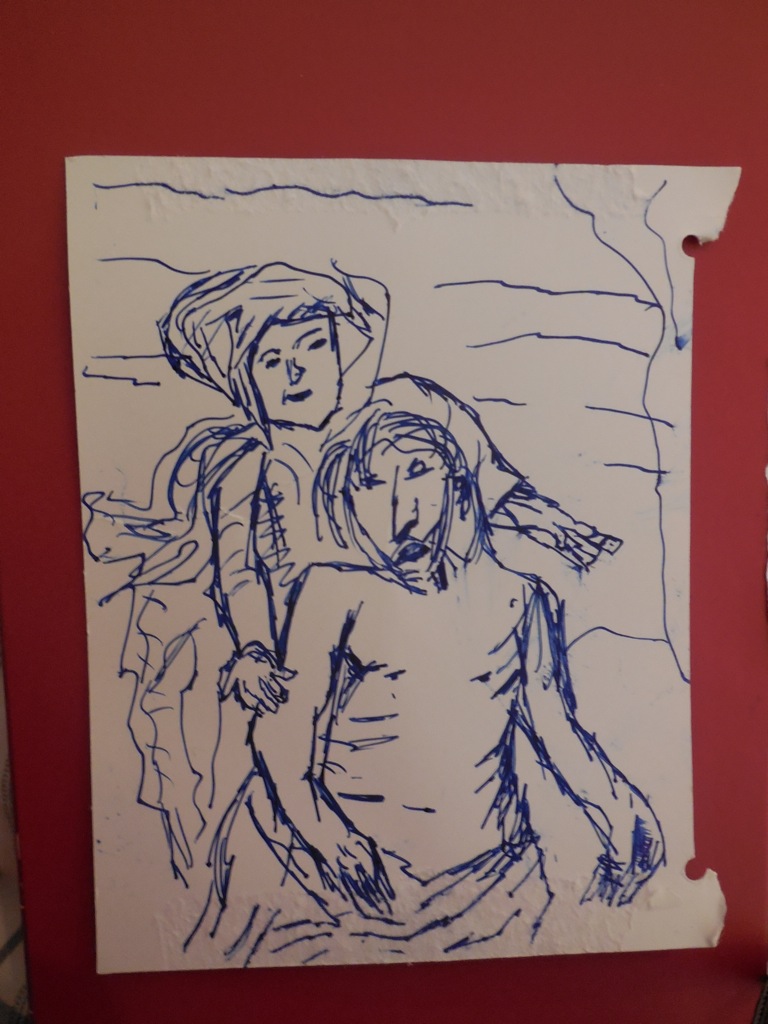
I need to work on drawing hands. I think my brother could’ve done a better job. When I was drawing it I noticed that Van Gogh made Jesus look like himself, which is pretty interesting.

Okay. I promise no more Van Gogh or graffiti posts. Promise. The Sistine Chapel was also beautiful, but you already knew that.

Also, the couple I stayed with were just lovely, and I got to enjoy some homemade Roman pasta.
The meaning of it all

I keep getting a question that goes something like this: Do you think you will find yourself on this trip?

Well, I don’t think so. Sure this is a big trip, most likely the biggest of my life, but I don’t really see a connection to the rest of my life, and I don’t think there needs to be one. I’m not even sure what the question means.

If you thought that by travelling around the world, visiting many places, seeing many people that you would somehow get a deep answer to the purpose of your life, or find yourself, or whatever else you may be looking for, you might be wrong. It might be that by travelling and seeing all these places that you can’t get an answer to that question — that after seeing it all and doing so much, you only return home to learn the world wasn’t big enough.

But that’s not why I’m taking this trip, or take any other trips. I enjoy travelling and happen to have the time right now, and so I’m travelling. If I had something better to do, like raise a family or something along those lines, well then I would certainly be doing that instead. But that’s not how it’s played out for me, and so here I am.

Greetings from Florence (and Pisa)

Florence is lovely, just too many mosquitoes. Pisa a nice small town, with great food.

Too tired to elaborate on any of that.

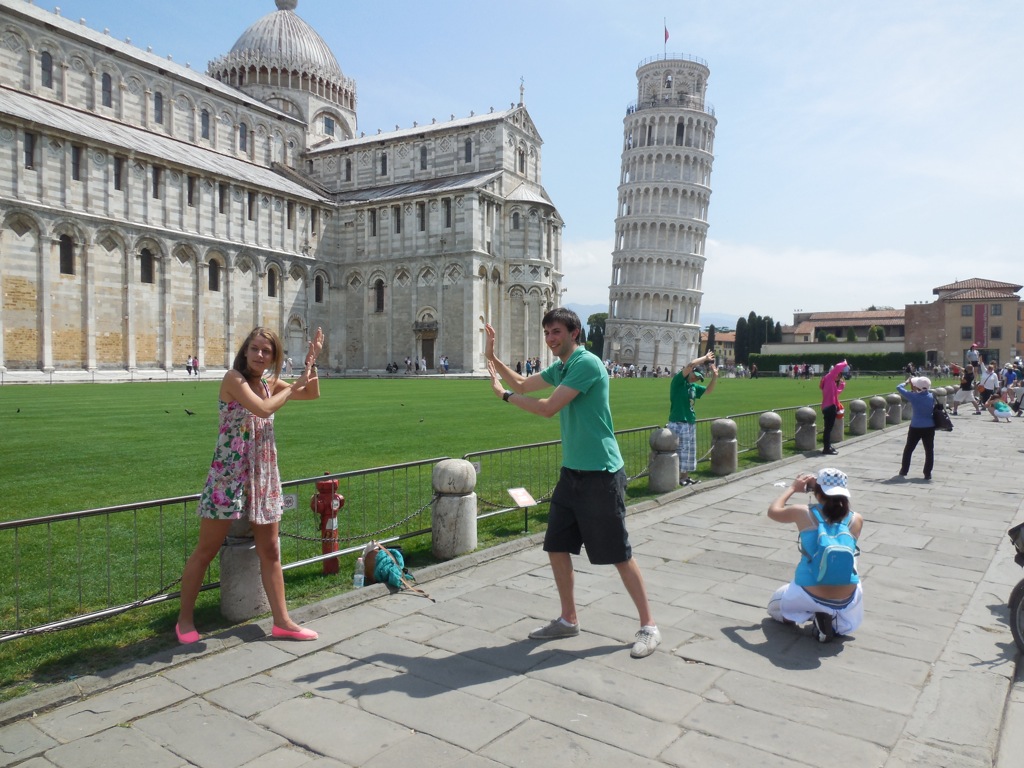
I found it completely adorable that pretty much every tourist in Pisa takes a picture holding up the tower.

 
UPDATED (June 10, 2013):

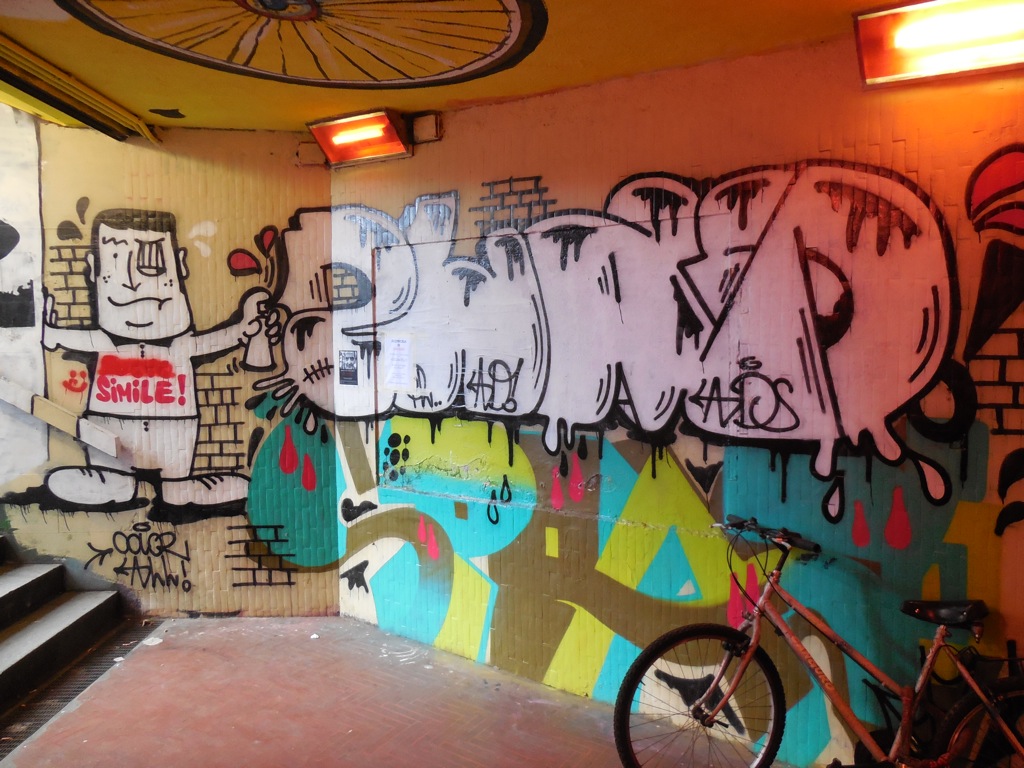
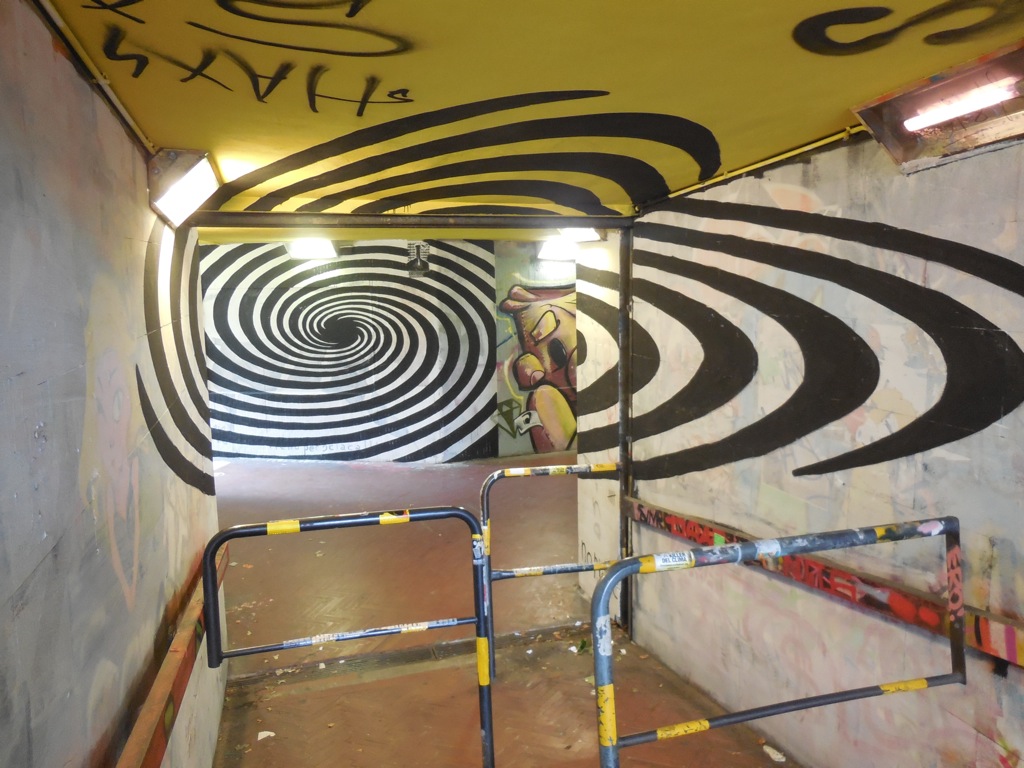
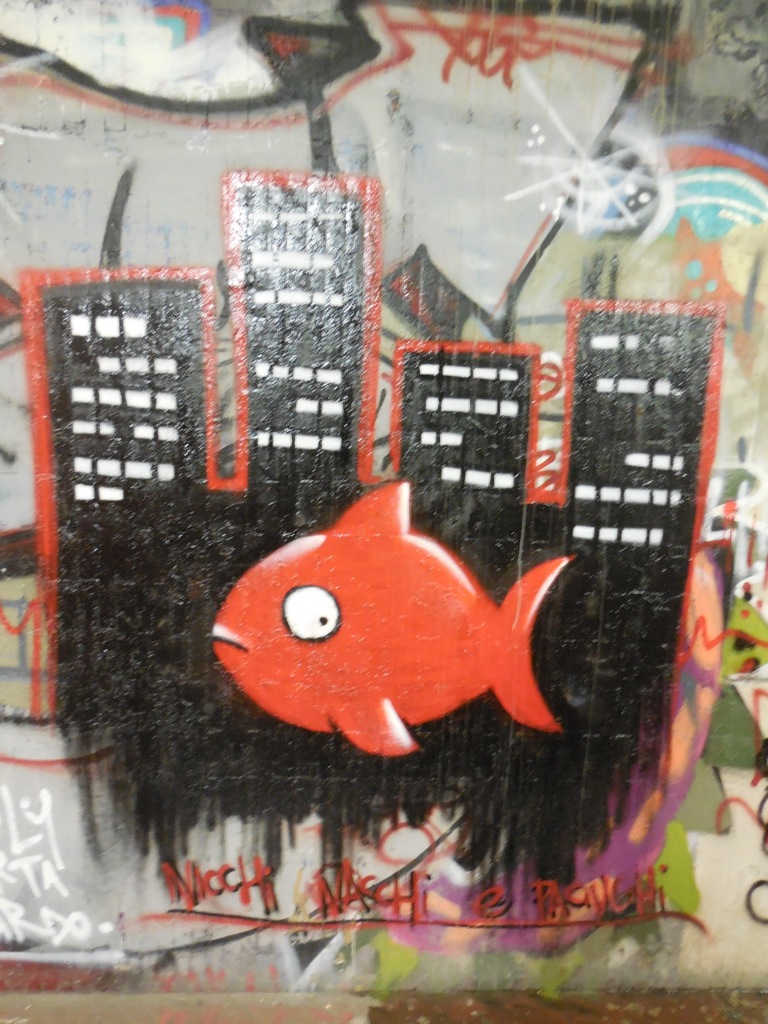
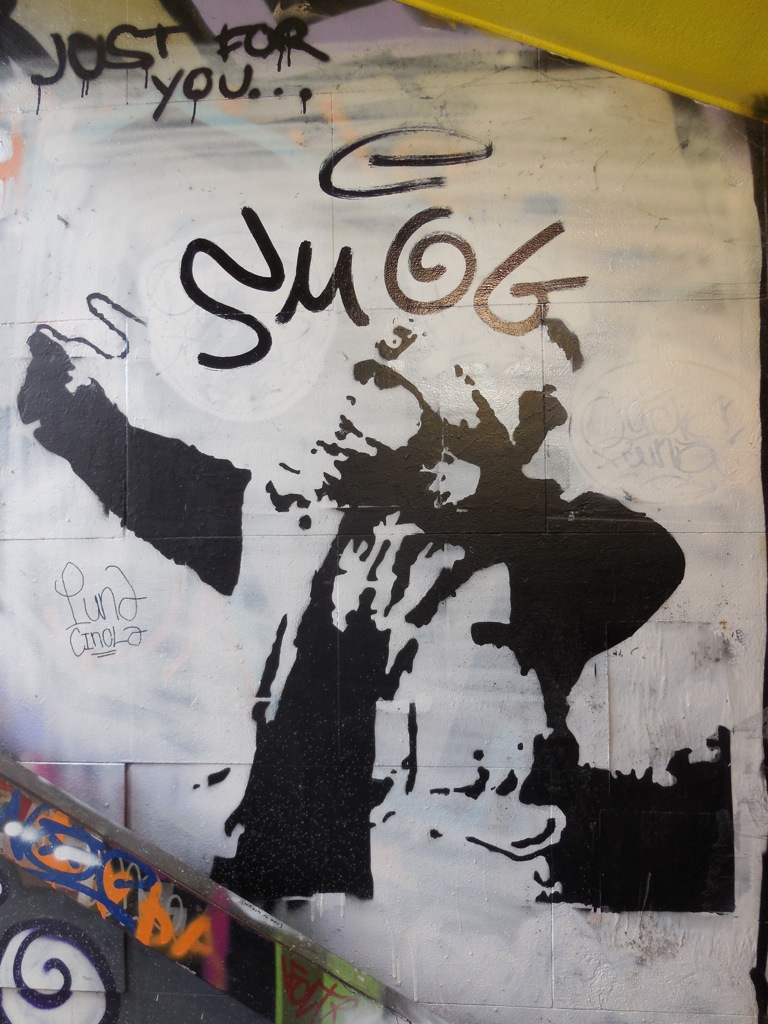
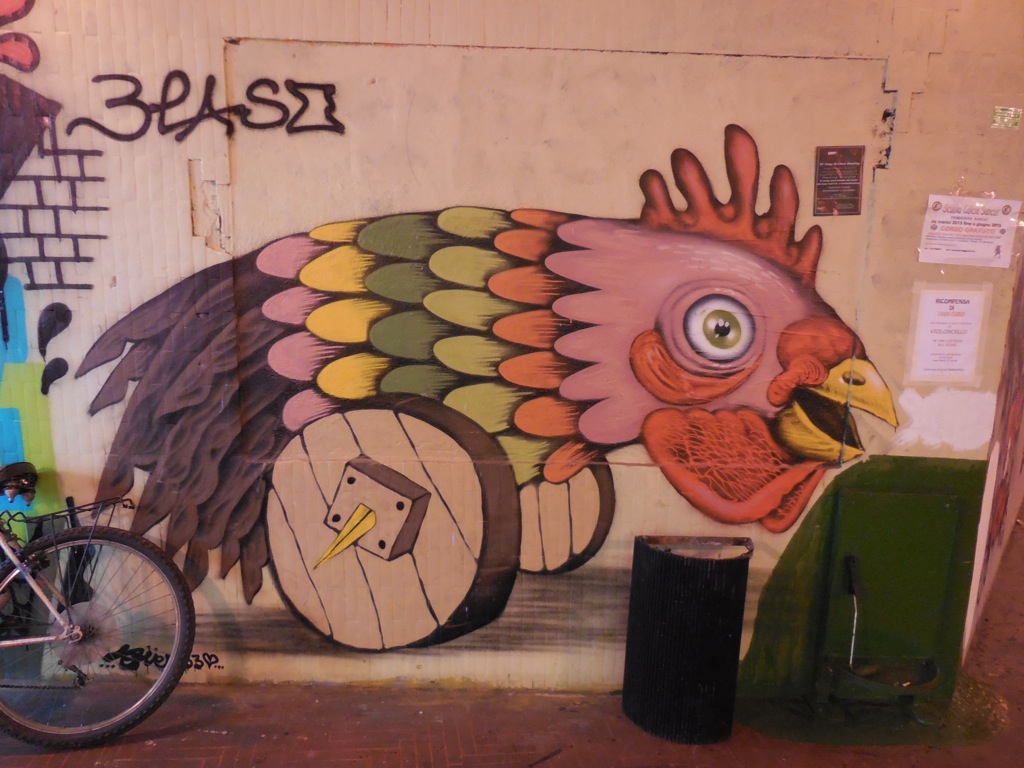
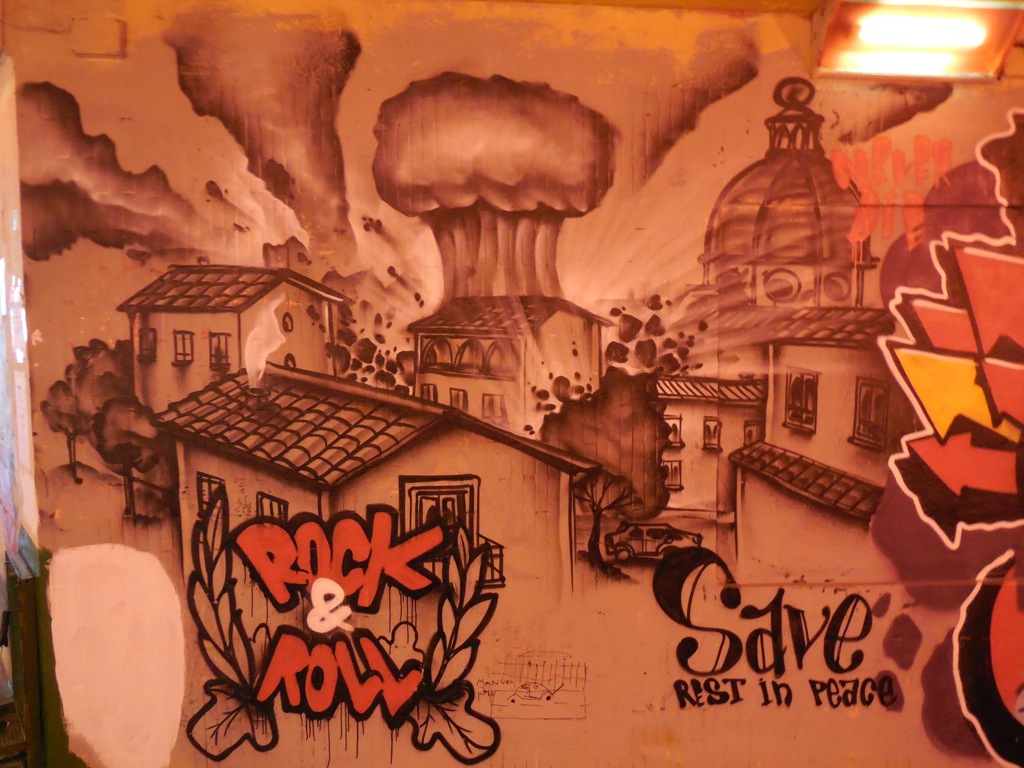
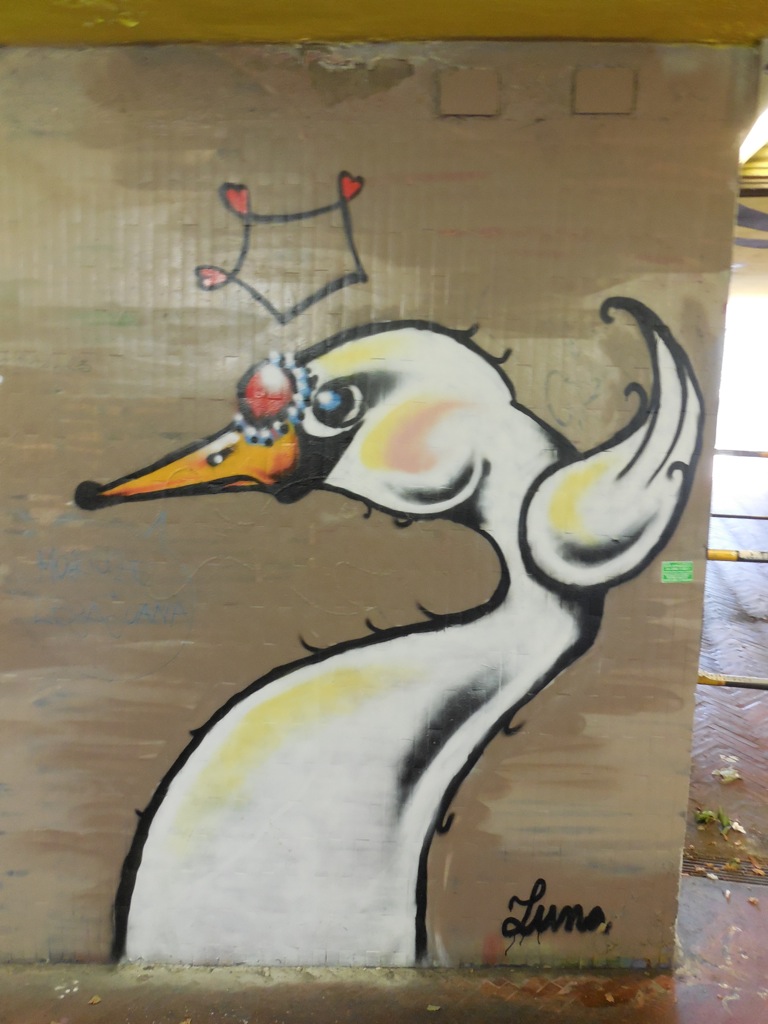
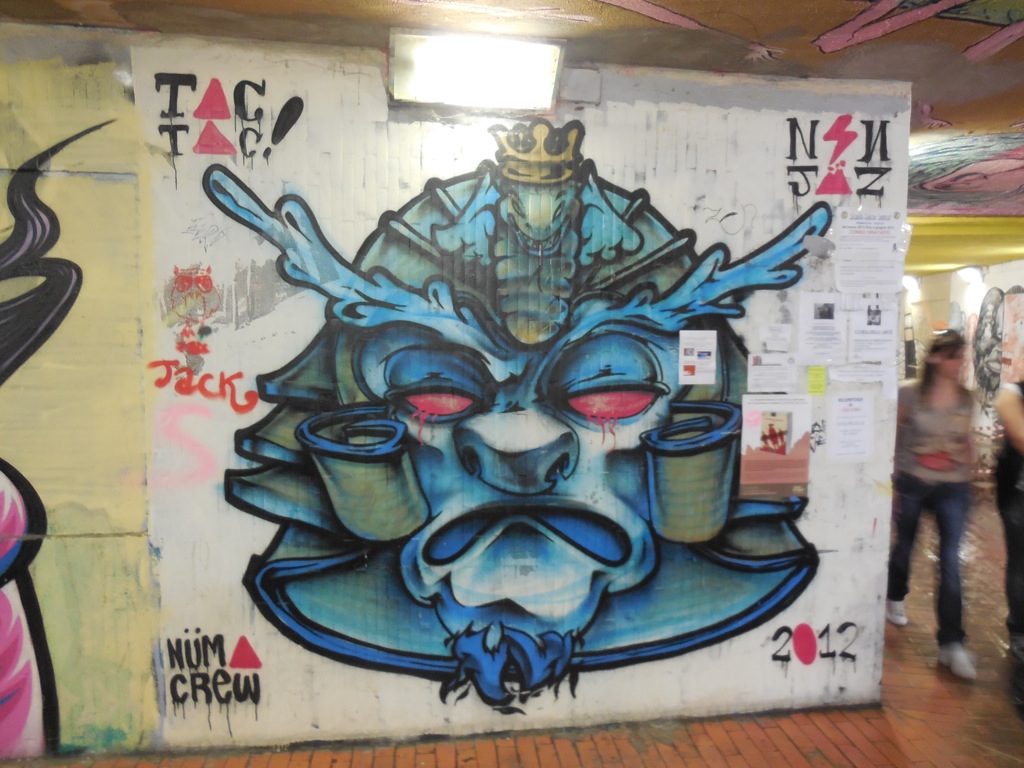
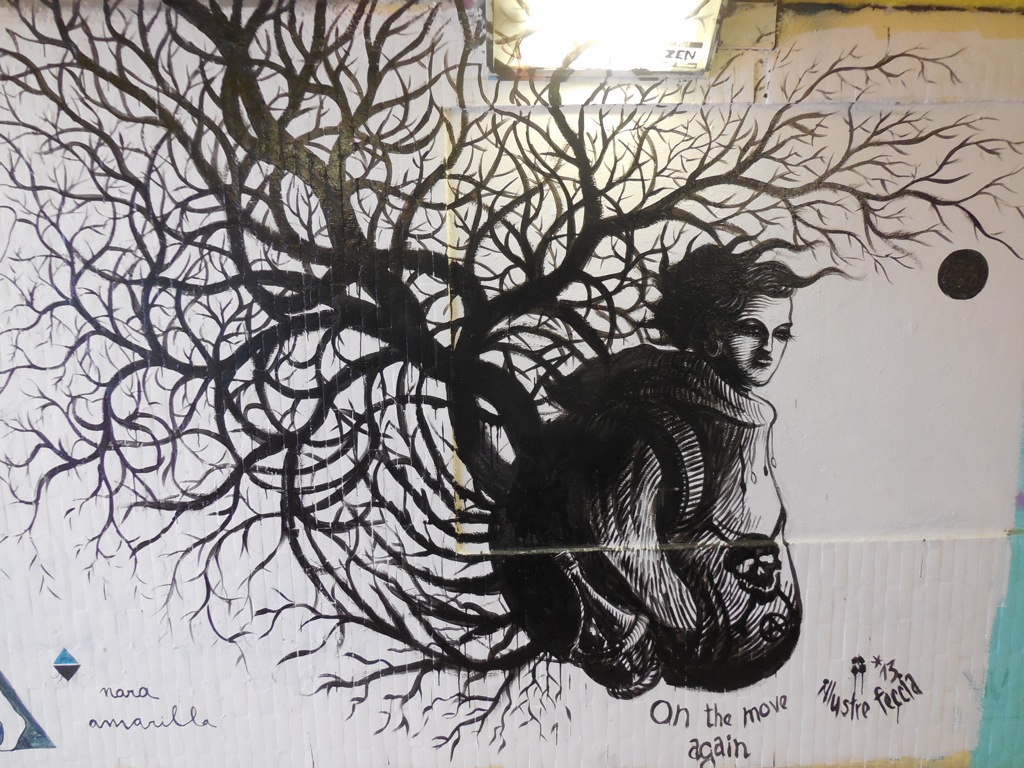
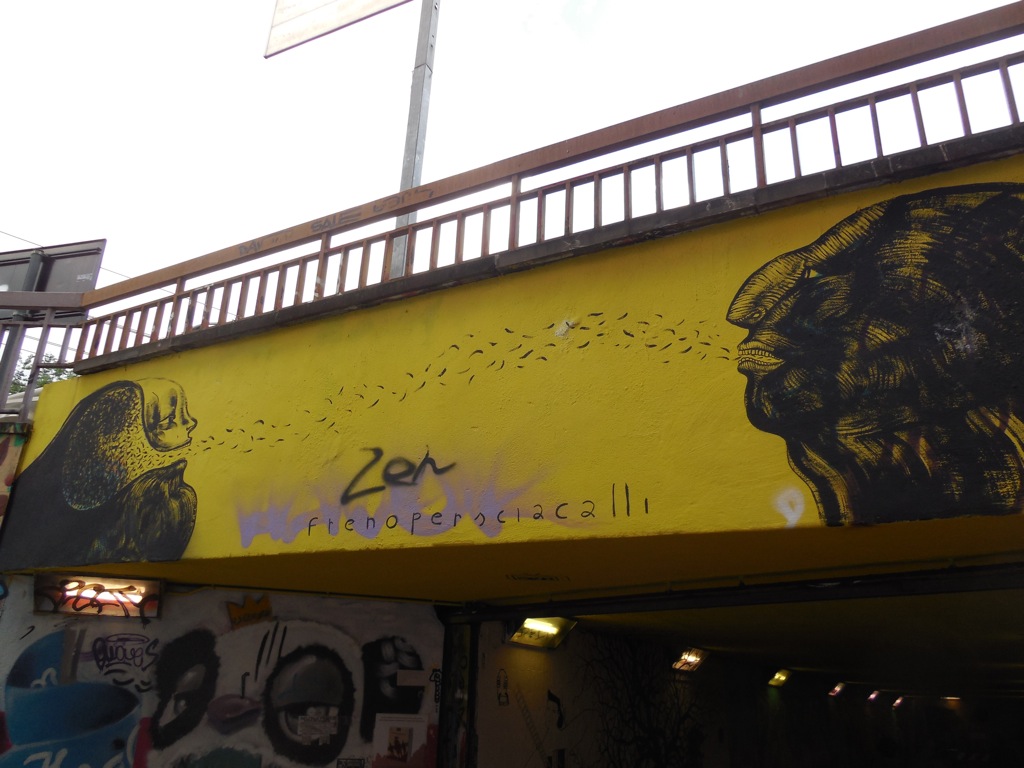
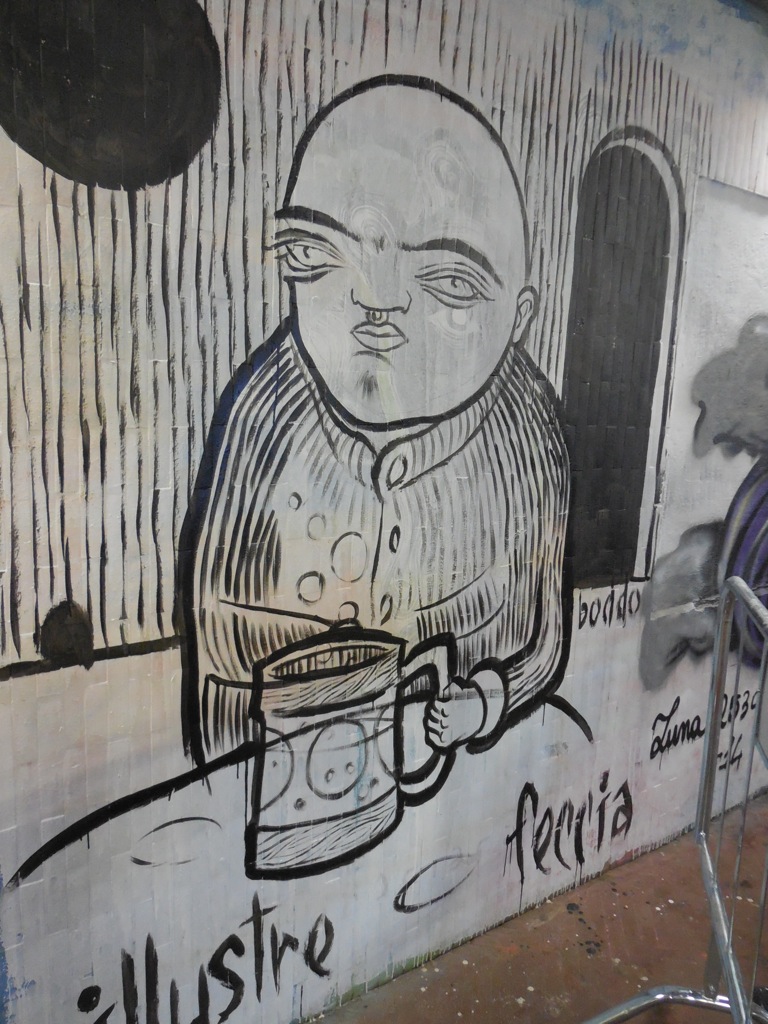
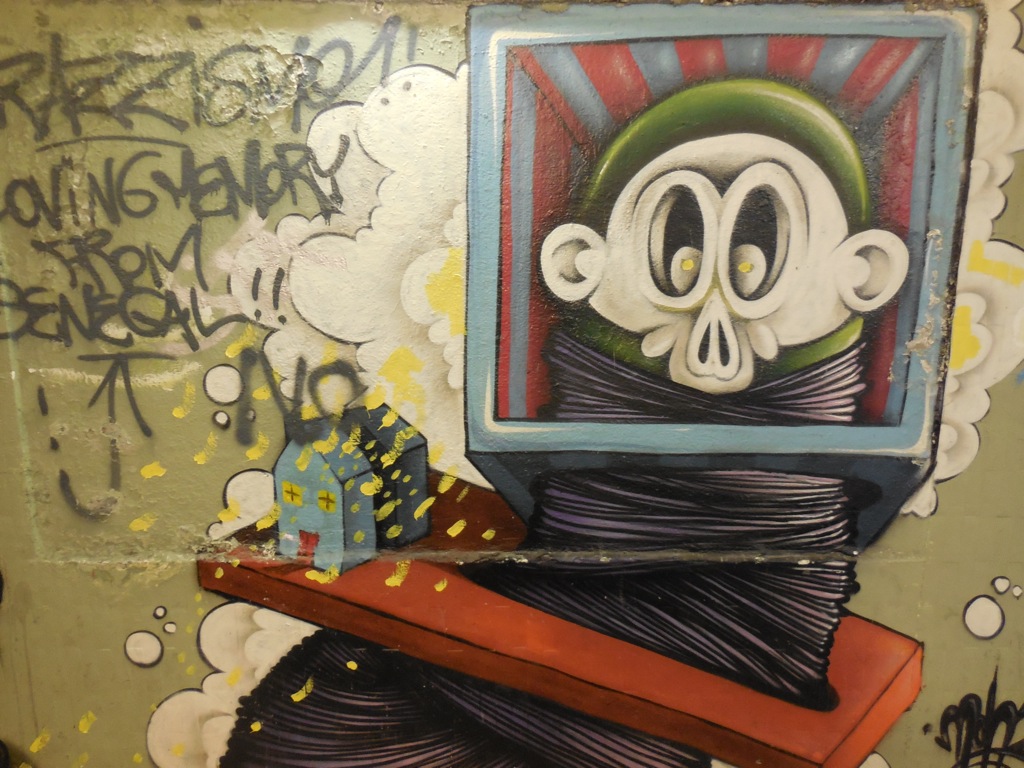
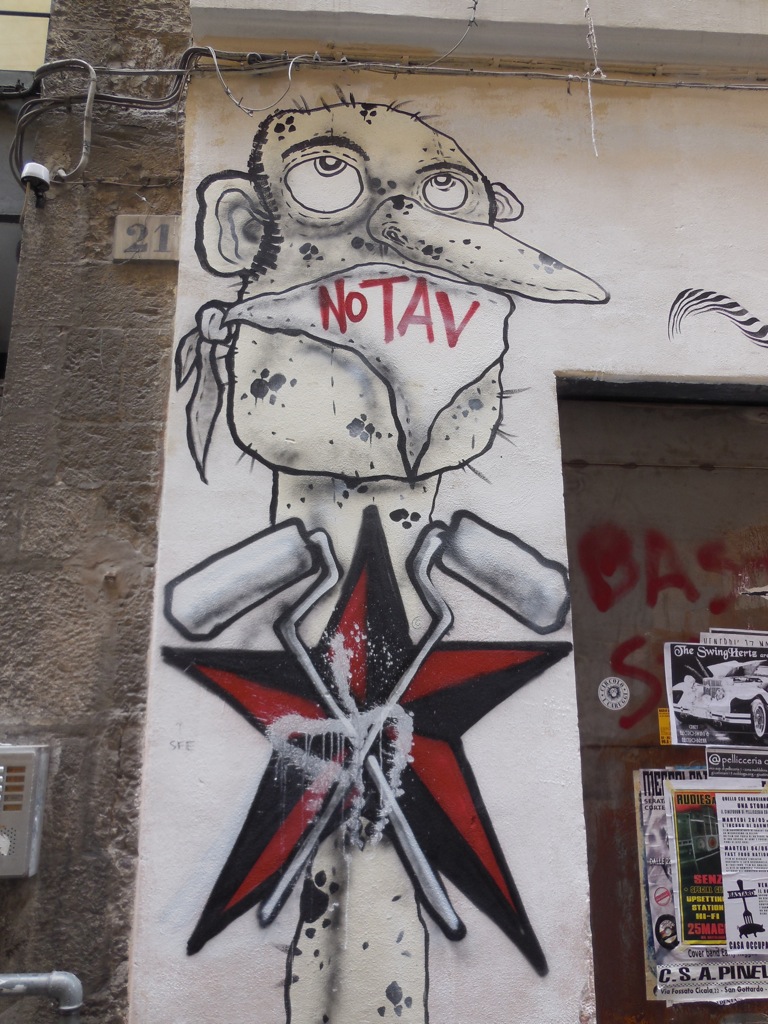
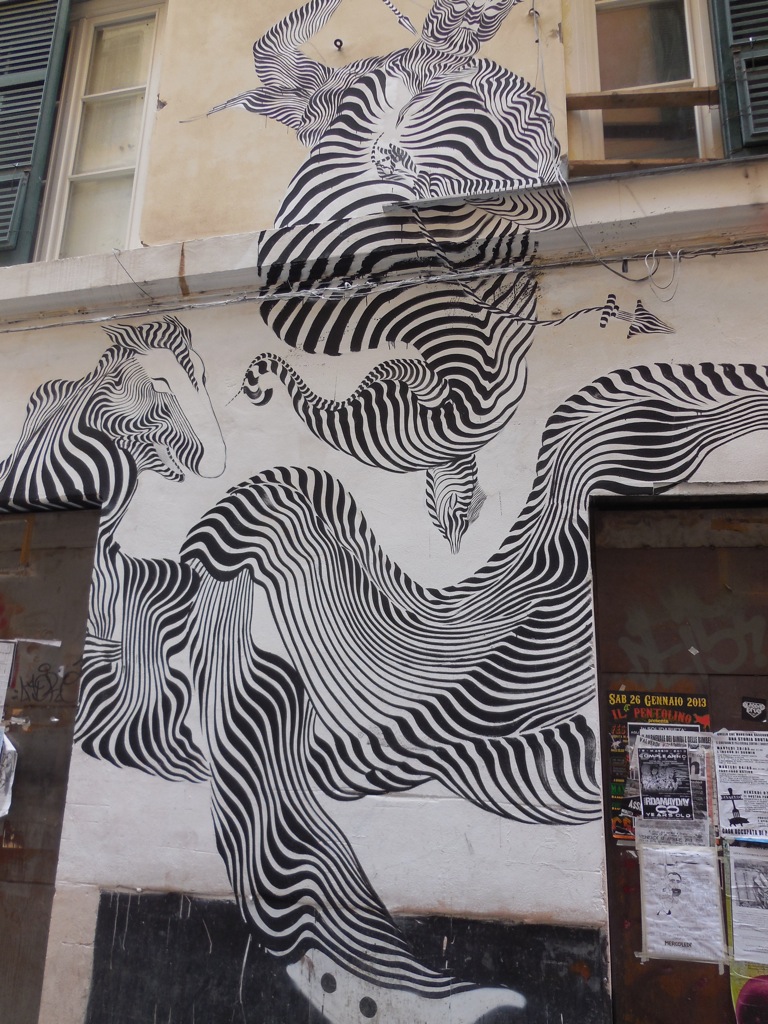
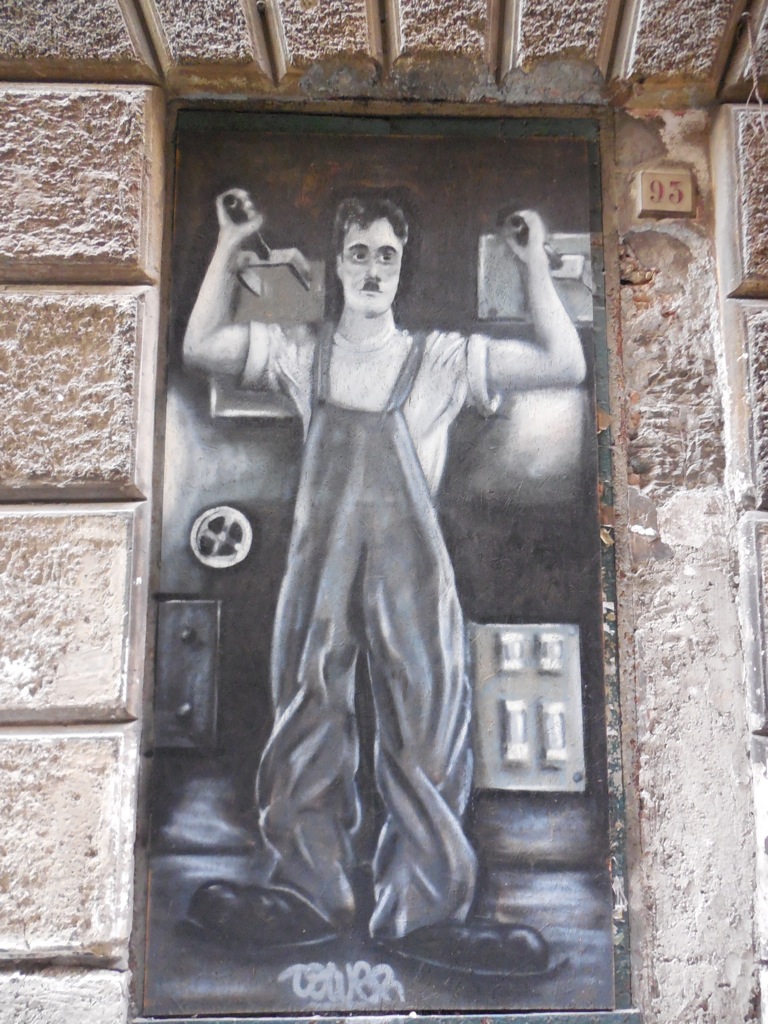
I hate to do more graffiti (I promise no more!), but Florence had the nicest street art I’ve ever seen, and so why should Genova get all the love? These are all from just one underground tunnel. (Click to enlarge)


Greetings from Genoa and Cinque Terre

Genoa is a powerful Italian port town. And I mean powerful — you could feel the power of the port.

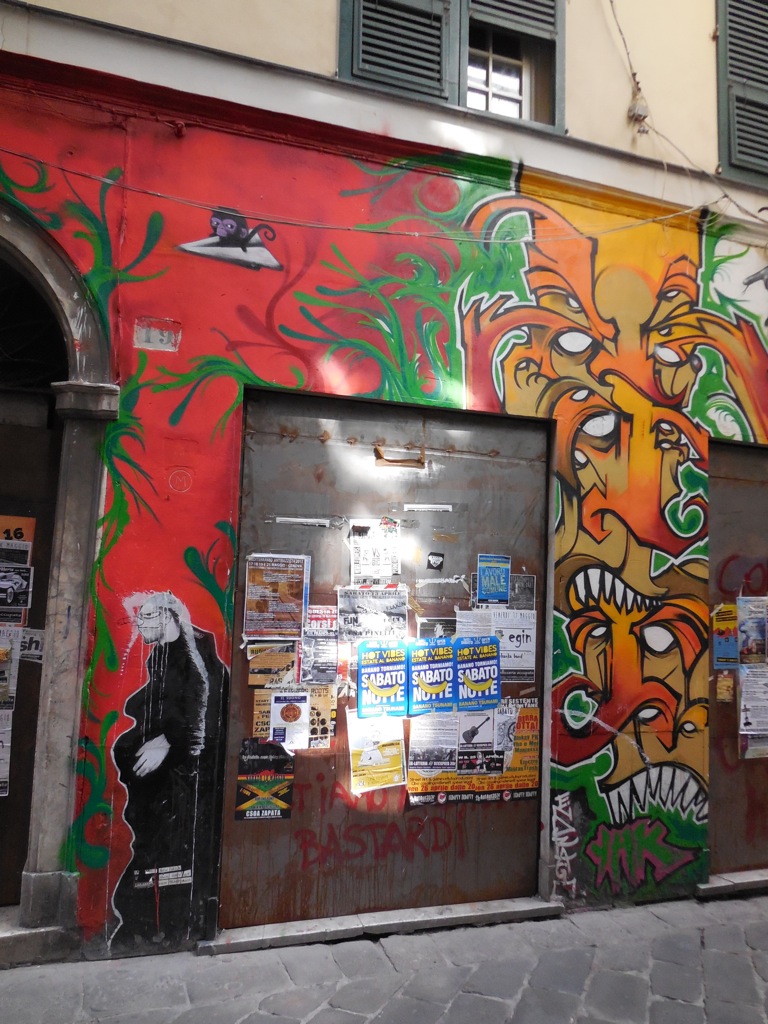
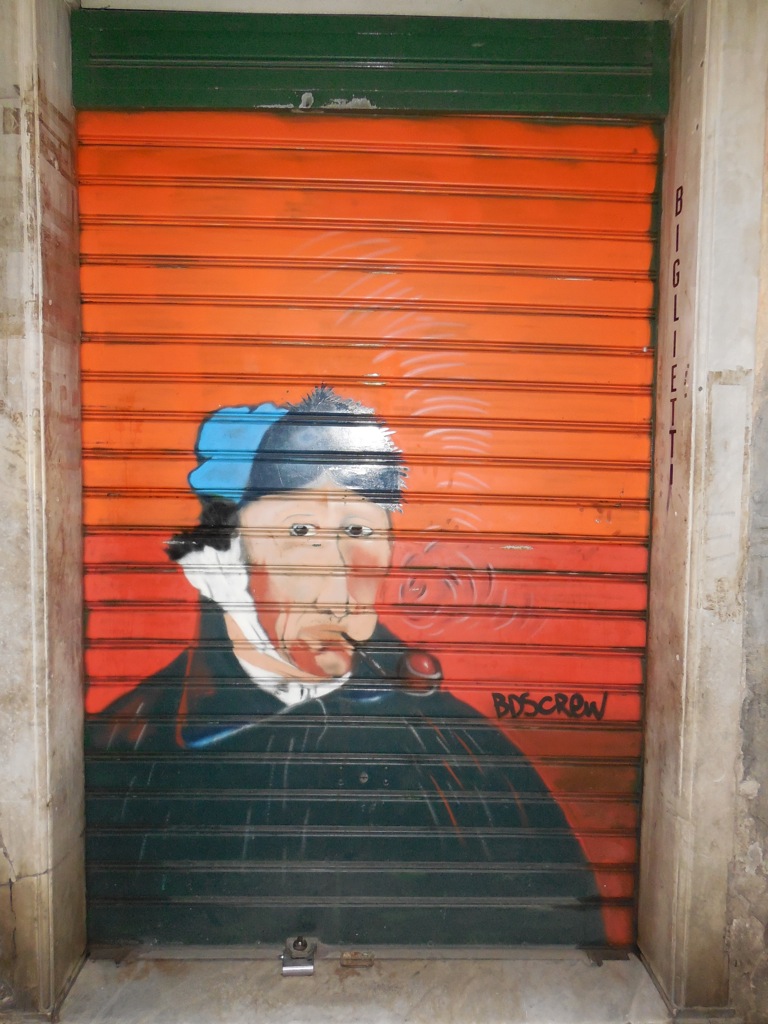
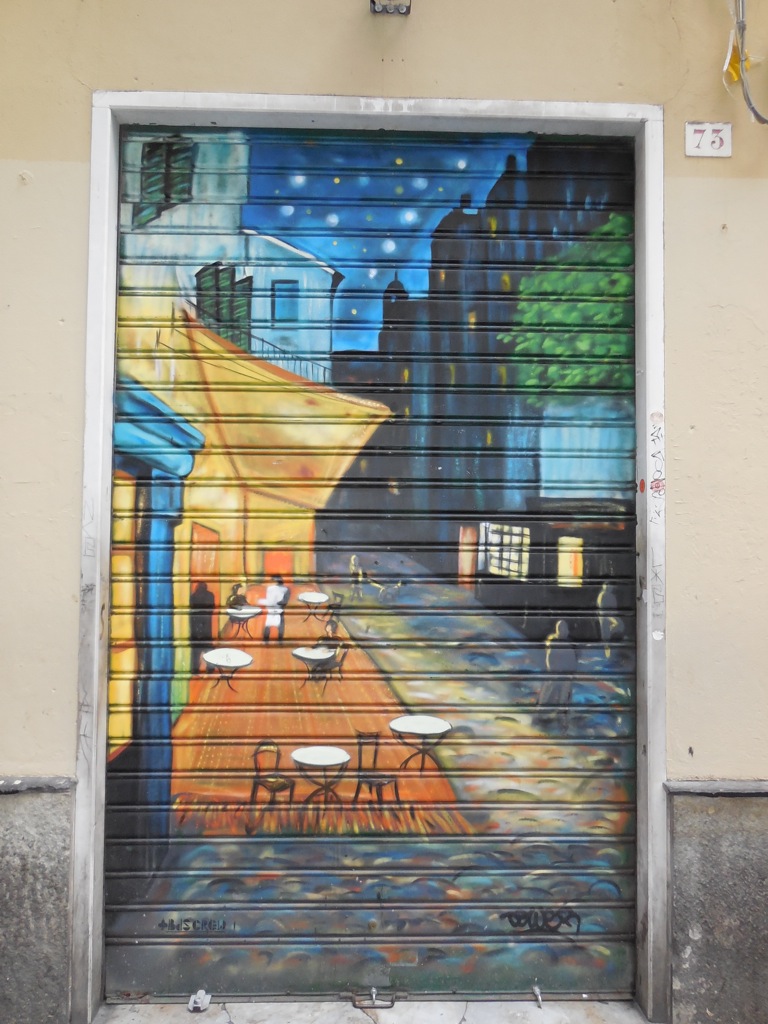
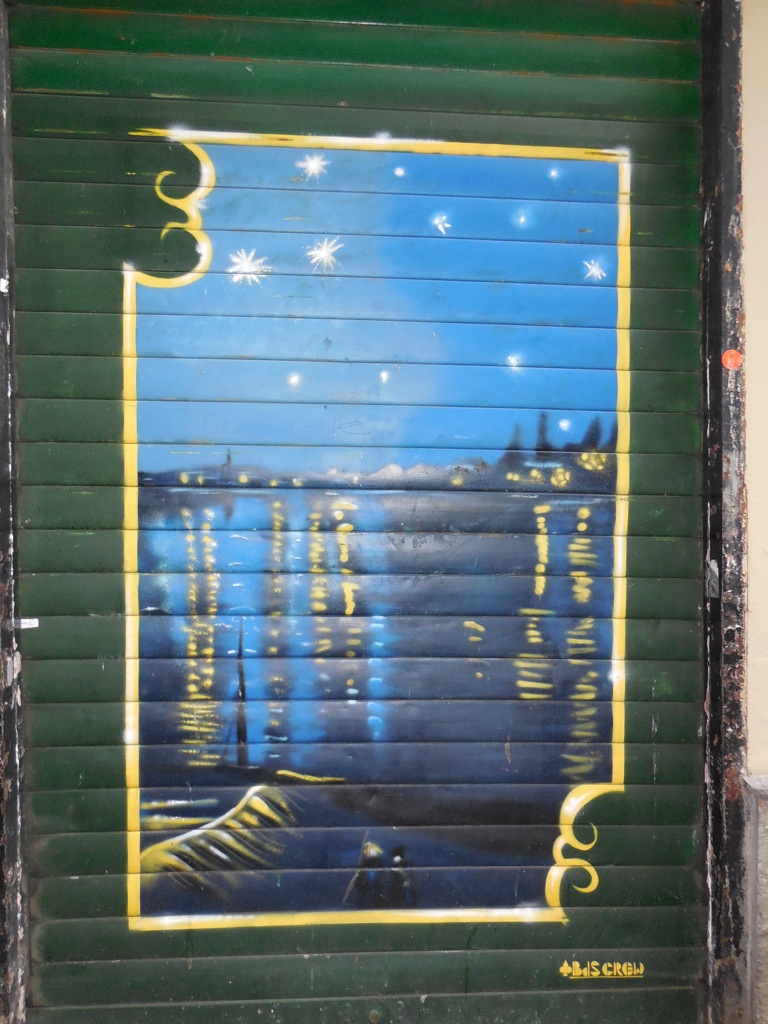
It also had some lovely street art.

And one street artist loved Van Gogh like me.


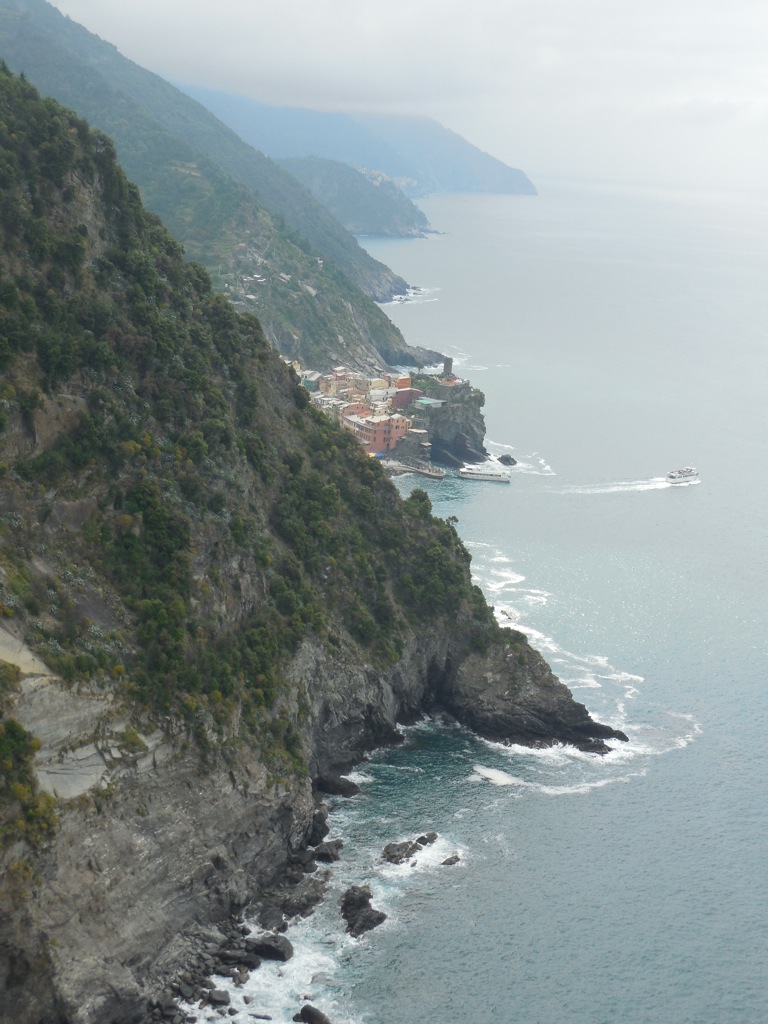
I also hiked the Italian coastline between five towns in Cinque Terre.

All in all, a successful stop.

Greetings from Marseille

Marseille is a very nice multicultural port town with the most beautiful church I’ve ever seen (so far).

But just one thing before I leave France — something I’ve noticed. I have discovered that I can read and understand French quite well, thank you very much, which comes from my years of learning it in school. But when it comes to speaking or listening, I’m a goner. I know that most of my classmates are the same. Why is that? After all, usually when someone moves to a foreign land, they learn to speak first and then maybe to read/write. Children are the same. It seems speaking is more natural than reading or writing. So what gives? One reason, I think, is that Ontario school system (and likely others) emphasizes testing, not learning per se, and since reading and writing are easy to test, that is what we learned. A very similar thing happens in math classes. We need to stop worrying about marks!

Greetings from Aix-en-Provence

Aix is a very nice, small French city. Fountains everywhere, lovely gardens. Overall just visually pleasant.

I met with up some friends that live here, which was nice after weeks of traveling alone. I also ate some of the best pizza I’ve ever had.


Greetings from Arles

I had a friend once who loved Vincent van Gogh. She used to share with me marvellous things about Van Gogh, his paintings, his inspirations. She was even kind enough to give me some Sunflowers of my own (a very Sina flower, as she recognized). I absolutely love art, you see, but when it comes to art, I need someone to hold my hand and walk me through it — sorta like the way some people are with math. Well anyway, as a result of her hand-holding, I fell in love with Van Gogh as well. The thing I love about Van Gogh is that you can feel his feelings, almost, somehow — which is exactly my kind of thing.

I decided to make a quick stop in Arles, the place Van Gogh made famous. I just couldn’t miss an opportunity to see exactly the things he saw. And what can I say? It was magical.

I saw the draw bridge.


The hospital garden.


Arles - Garden of the Hospital in Arles.small

The yellow cafe.

The view of Arles over the Rhone.


I would never have been able to picture these scenes by myself the way Vincent did, and I could never convey what I myself saw and felt with such ease as he did. He really was amazing. If only he knew it.

Poetry surrounds us everywhere, but putting it on paper is, alas, not so easy as looking at it.

-Vincent van Gogh

Greeting from Avignon

Avignon is a rather dull, boring place. Nothing much to report.

Instead, I’ll share a story.

I’ve been writing a paper and there’s been this mathematical thing that has been confusing me and that I haven’t really been able to figure out. Well, I was passing by Université d’Avignon in the city centre and I thought that if I just had a chalkboard, and a little bit of time, I could figure out the problem. So I went into the university, found an empty room with a chalkboard, closed the door, set my bag down and went to work. And I figured it out!

I opened the classroom door to leave, and the hallway was dark — no lights. Apparently the building had been shut down while I was working away. When I stepped out of the classroom, motion sensors went off or something, because the alarm started sounding. I made my way to the front door of the building and tried to leave, but it was locked. Then I went to try the back door — it was locked. Now other alarms were sounding from attempting to open locked doors. I thought: why on earth in a public building would you lock the doors from the inside so that people can’t leave?! Then I saw the old, expensive paintings on the wall and it sorta made sense. It really did feel like I had broken into a museum. I saw the security office, so I went, knocked a few times — no one was there. I was locked inside this building.

I figured that since the alarms were sounding, eventually someone would have to come and then I could get out of this damn place. So I sat down, waited. Waited a while. Alarms still sounding. Waited a little bit more.

Then I decided that I should figure a way out on my own. I went to the front door again. There were two sets of doors. The first was a pair of modern glass doors, the other pair (which I could see through the glass) was big, wooden, heavy and looked 500 years old. I figured that the wooden doors couldn’t be locked from the inside because it was just too old for that, and so all I had to do was get passed the modern glass doors. The lock looked very strange, nothing I’d seen before — a lever of some sort. I lifted the lever, like when I first tried, and confirmed that it was locked. Okay. But I pushed hard this time as I lifted to see if I could force the door open — and indeed, it wasn’t a strong lock on the door, so if you pushed hard enough a little gap would appear and you could imagine breaking the door open if you really wanted to. Of course I was in enough trouble so I didn’t want to break anything. So I gradually pushed harder and harder, but only ever so slightly, to see if I could force open the door without breaking the lock. And it worked! The door opened, lock unbroken.

So I got through the first set of doors. I wanted to leave everything as it was, so I tried to close the glass doors behind me, but I couldn’t because the door was still locked, you see, so it wouldn’t close properly. Oh well, I thought. Alarms are still sounding, by the way. The second set of doors — the big wooden ones — were easy to open, just as I thought.

So I exited the building and outside it was completely deserted. Except, of course, for the security jeep that was about to leave and lock the gate to the university campus. (If I had come out a few minutes later I would have had to figure a way out of the locked gate!) The jeep was about to leave (I have no idea why the alarm didn’t notify them) when I guess the guard saw me, because they immediately reversed the car to where I was, rolled down the window, irritatingly asked me something in French, to which I said “do you speak English?”, to which they frustratingly said “aller!” So I went.

It was a lot of fun.

Greetings from Montpellier

Montpellier is what a Mediterranean town should be. It is what Barcelona should have been.

I’ve been staying with a local resident — I think she is French Turkish. She’s a photographer, artsy, bohemian, etc. Her apartment is wonderful, decorated with what you would expect from an artsy French photographer. Every night she puts out candles in the hallway and living room. Just wonderful.