Greetings from Marrakech, the Sahara, Fes (and Meknes), Chefchaouen and Tangier

Or more simply, greetings from Morocco.

 
Marrakech
· When I first arrived in Marrakech, I was so happy to be out of Egypt that I loved everything by comparison. That slowly faded away. I have become so sick of these backward countries, and I’m tired of pretending that they are not.

Sahara
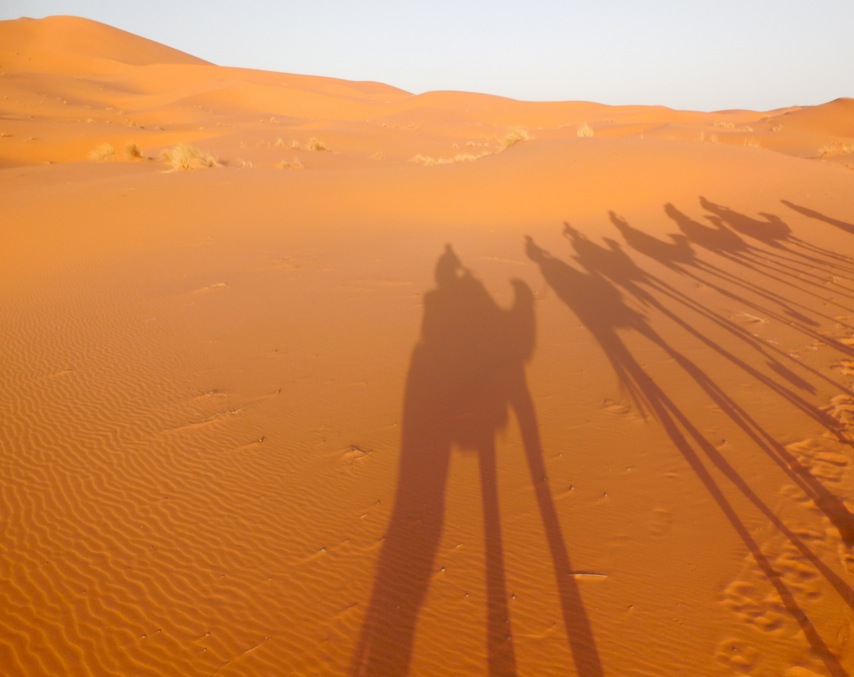
· I spent a night camping in the Sahara. The sand was a gorgeous orange-red colour (the sand in Egypt is a beautiful golden yellow). I spent part of the night dancing barefoot in the sand to the beat of drums. Most of the group thought I was crazy, but believe me, they were the nutty ones for not joining in. The stars were unreal, so we all decided to sleep outside, tentless, staring at the stars. We travelled there on camels, which was also pretty cool — that’s me in the back.
Fes
· Fes is like Marrakech but smaller and less touristy, and thus more friendly.

Meknes
· In Meknes I met with a Moroccan friend (and her friends) that I had made in Egypt. They introduced me to Moroccan things. I introduced them to McDonald’s french fries with ice cream, and told them about my friend Jessica. A fair trade, I think.

Chefchaouen
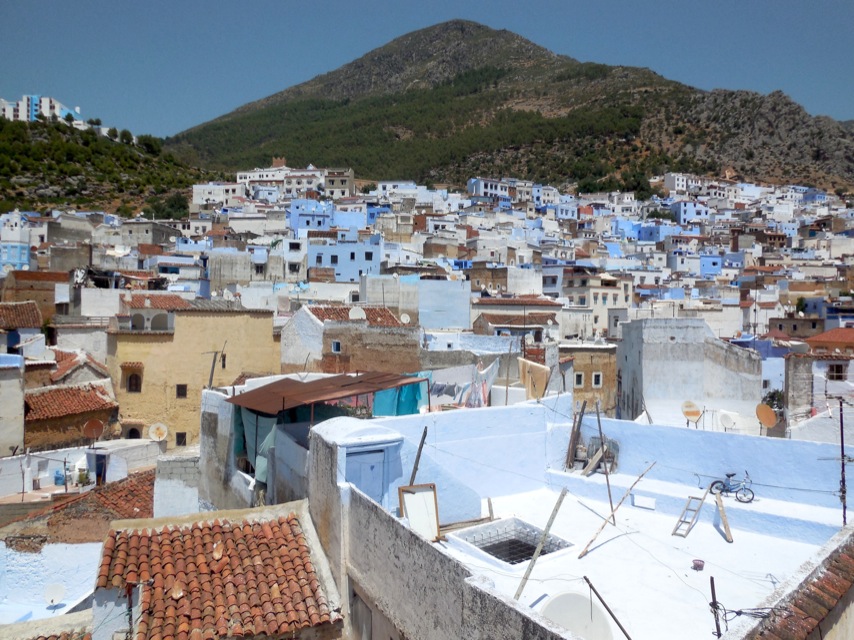
· This was essentially an Islamic Santorini in the mountains. You might think the Islamicness would add charm. You’d be wrong.
Tangier
· Travelling in these backward countries for so long, I am so anxious to get back into the free world. Looking at Spain across the water in Tangier, all I see is freedom. It’s so close I can taste it. (It might also be the Spanish coffee I’m drinking as I write this.)

 
Did I mention how ridiculous their king is?

Greetings from Cairo (and Alexandria)

As a child, I used to daydream about the Pyramids. I honestly thought I would never see them, and that if I ever did, it would have meant that I had really truly made it in the world. But it didn’t feel that way once I was there — it was sorta underwhelming — there was no mystery or awe to me. That said, the Pyramids are huge. When I was there, it was a little hard to see them from afar because it was foggy. Then I realized that Egypt doesn’t get fog — or clouds, ever! — and that the fog was actually pollution. Yuck.

Other than the Pyramids, Cairo is kind of a dull place. If it weren’t for the enormous revolutionary demonstrations (which were very peaceful from what I saw, despite what I read in the news), I would be hella bored. The tanks on the street corners, however, are very eerie. As far as I can tell, nearly everyone in Egypt supports the military and opposes the Muslim Brotherhood — I don’t understand how they won the election in the first place. Everyone I’ve talked to insists that there was no military coup, no matter how I phrase it, and that the military is representing the democratic will of the people. And every time a military helicopter flies over, the streets erupt in loud cheers — which is much different than the G20 in Toronto.

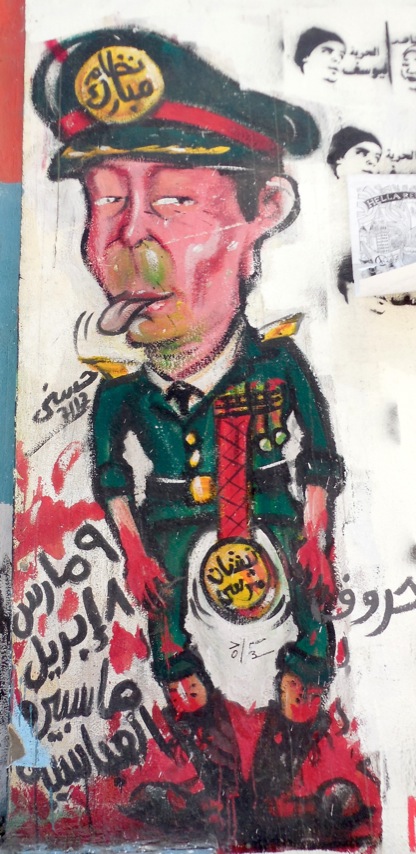
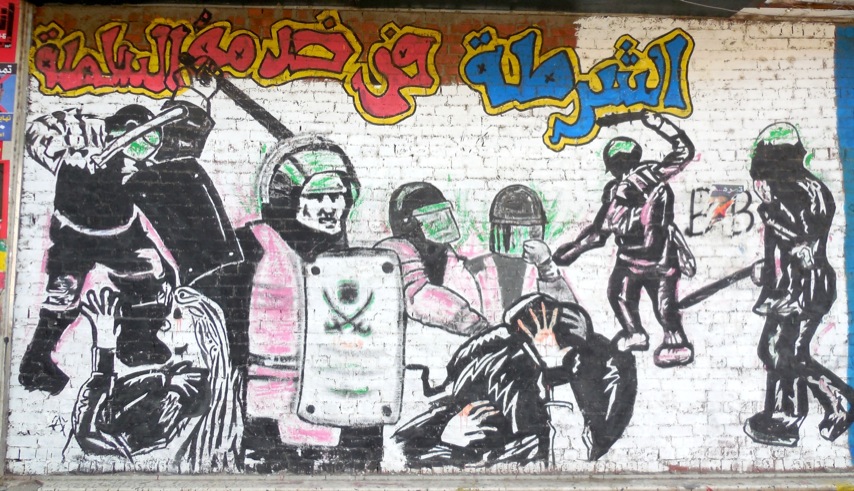
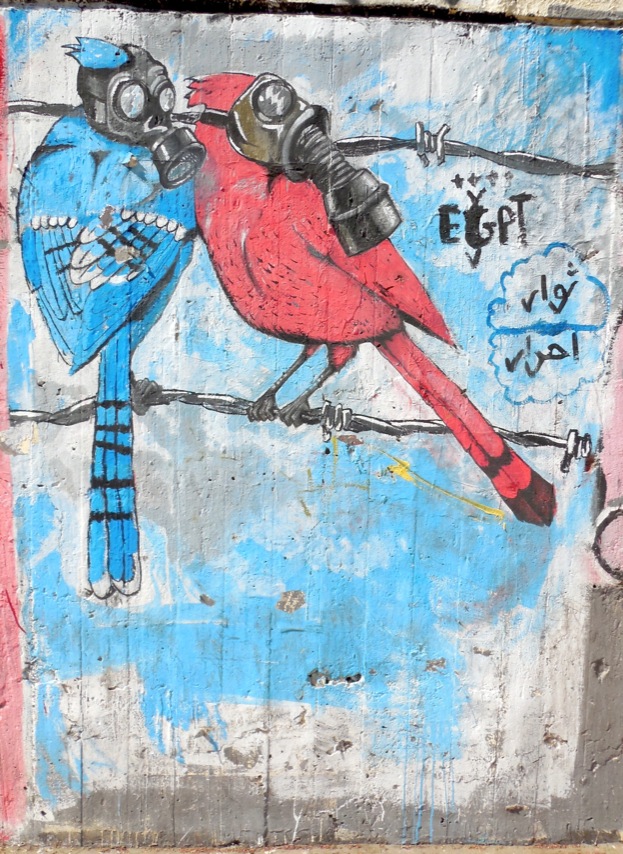
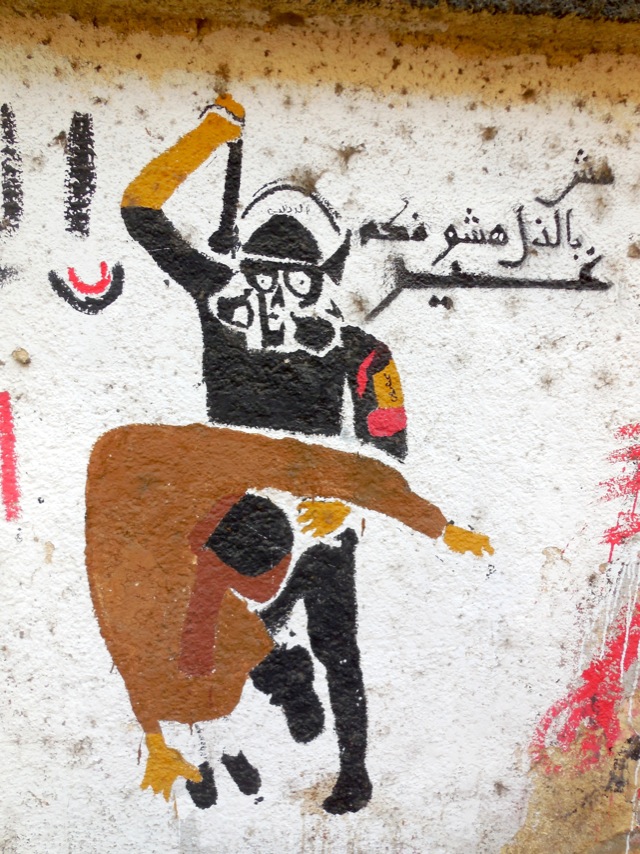
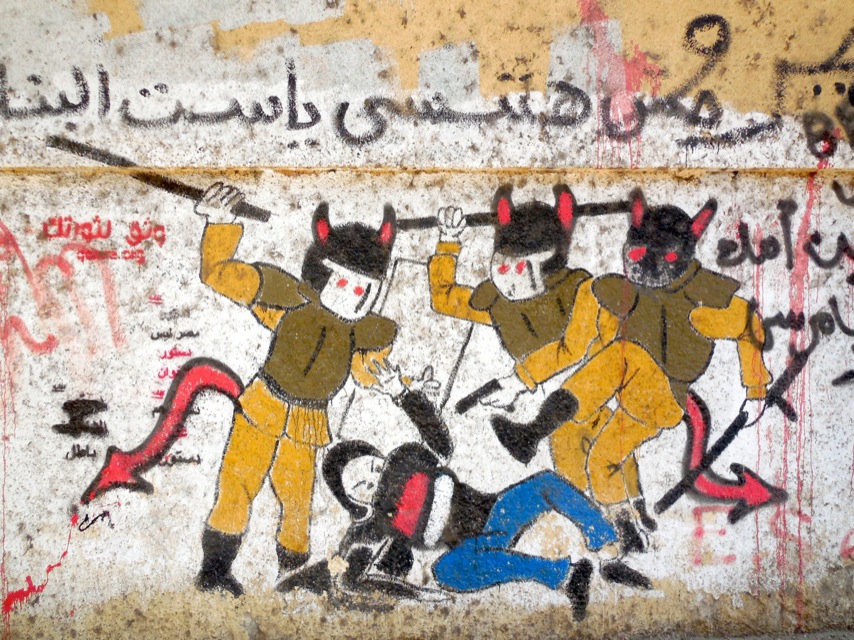
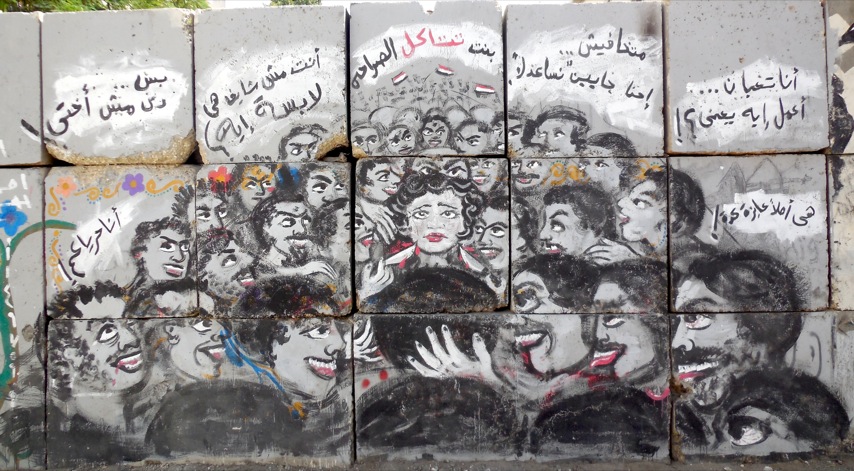
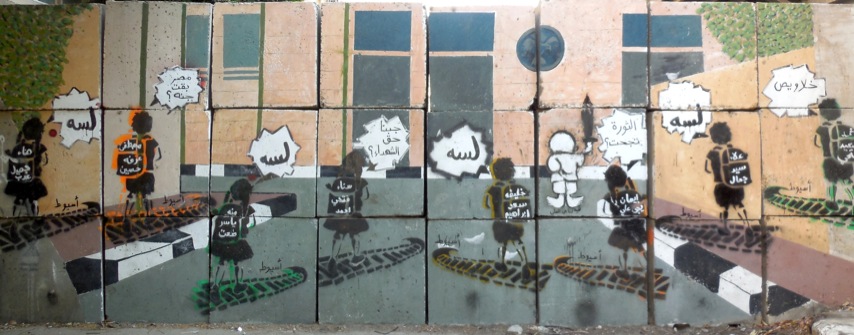
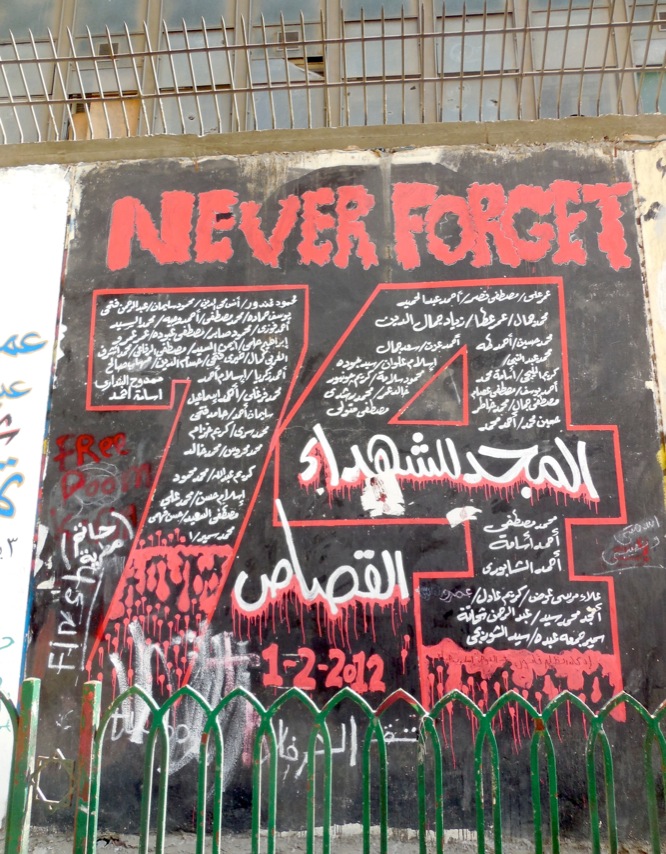
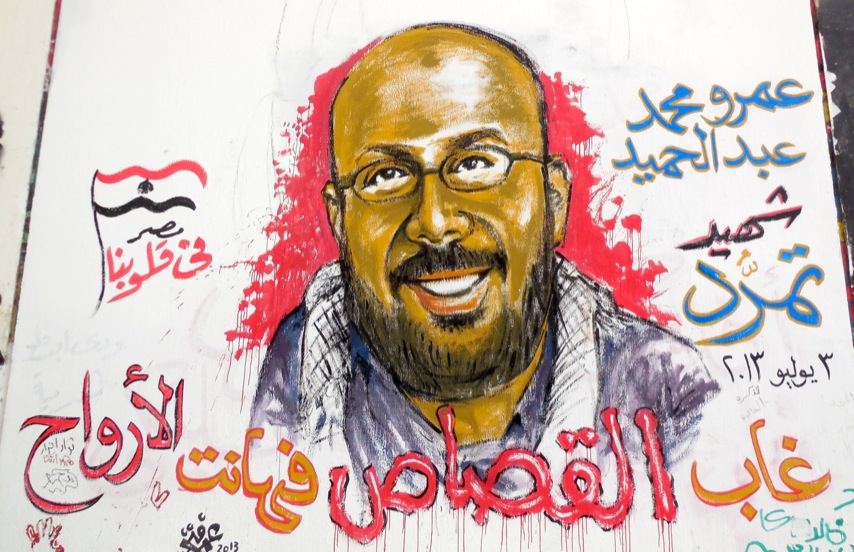
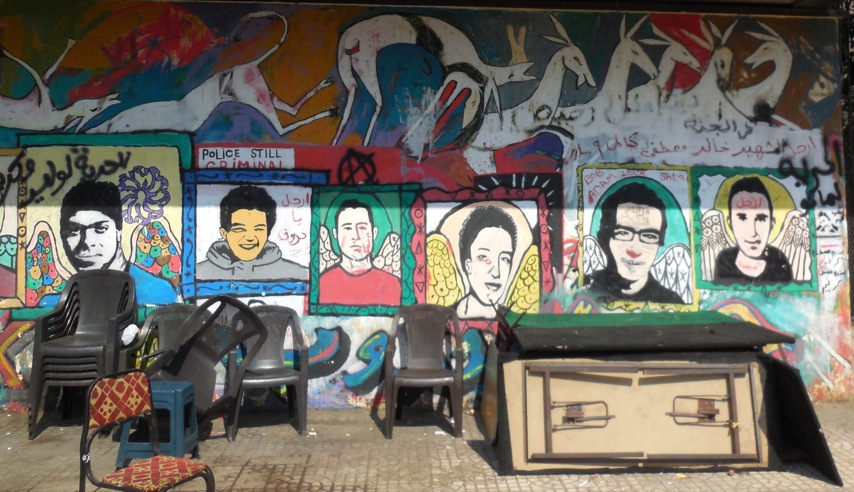
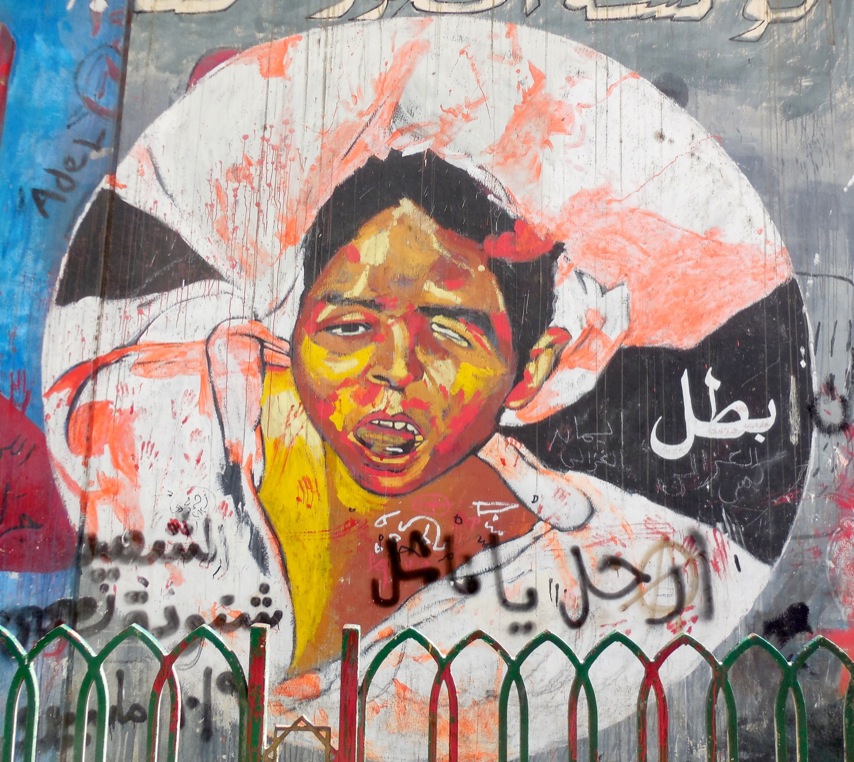
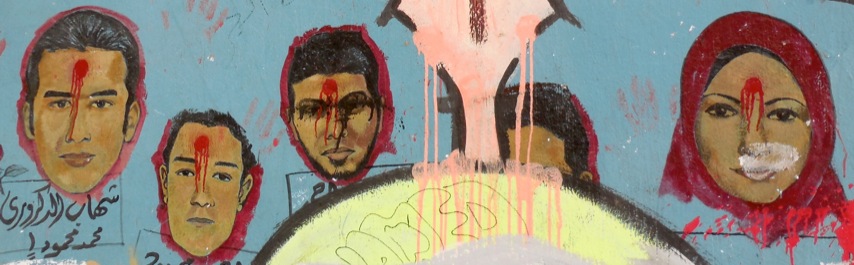
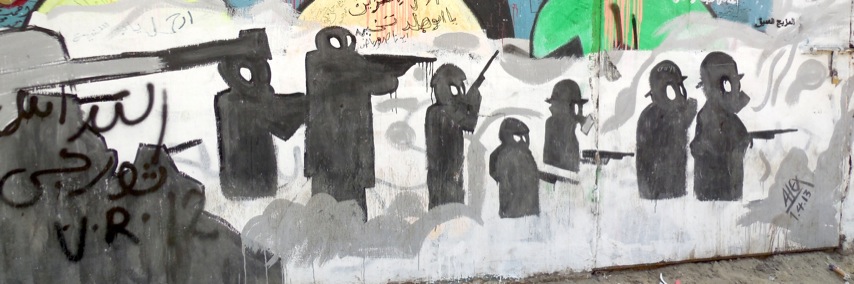
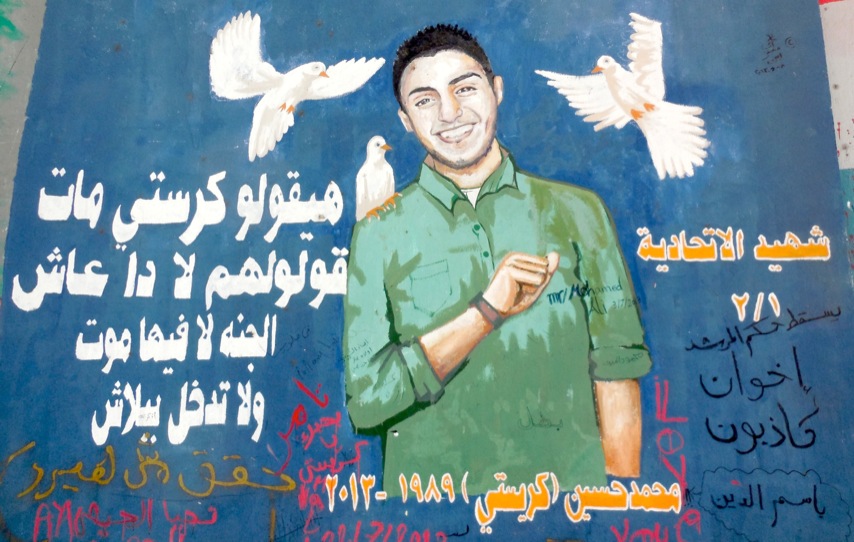
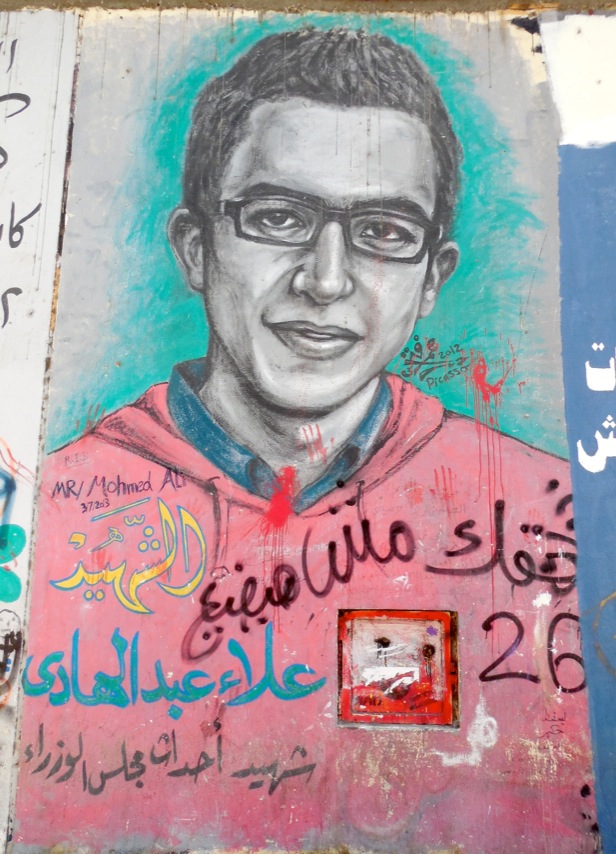
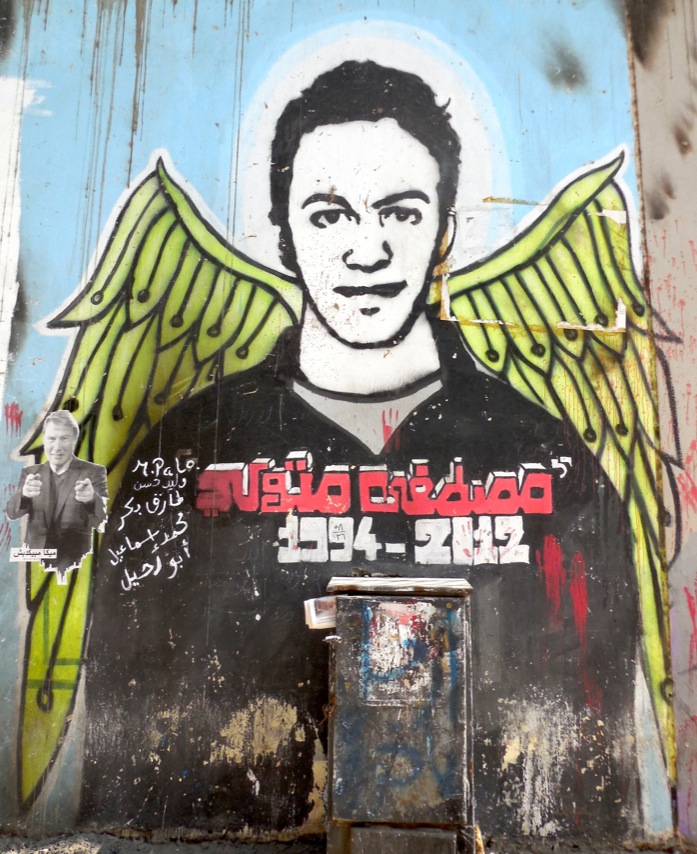
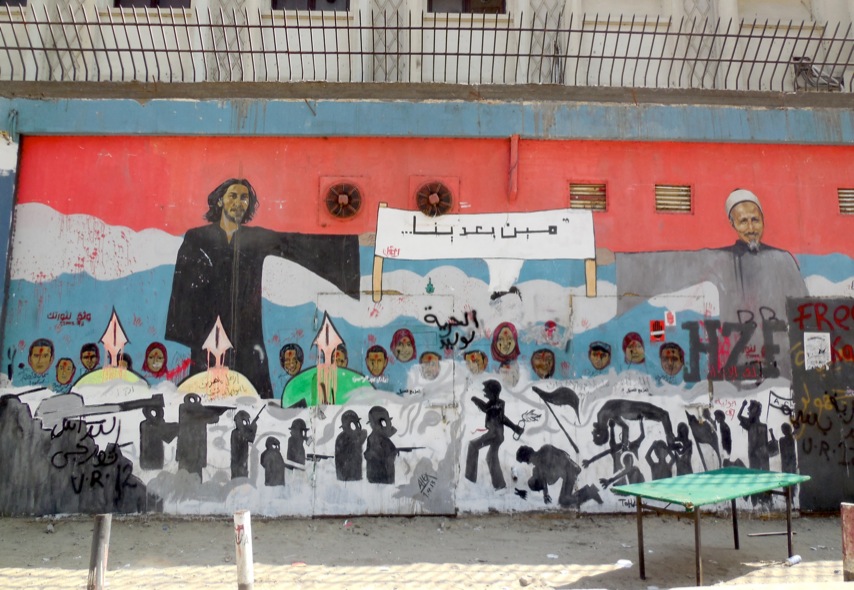
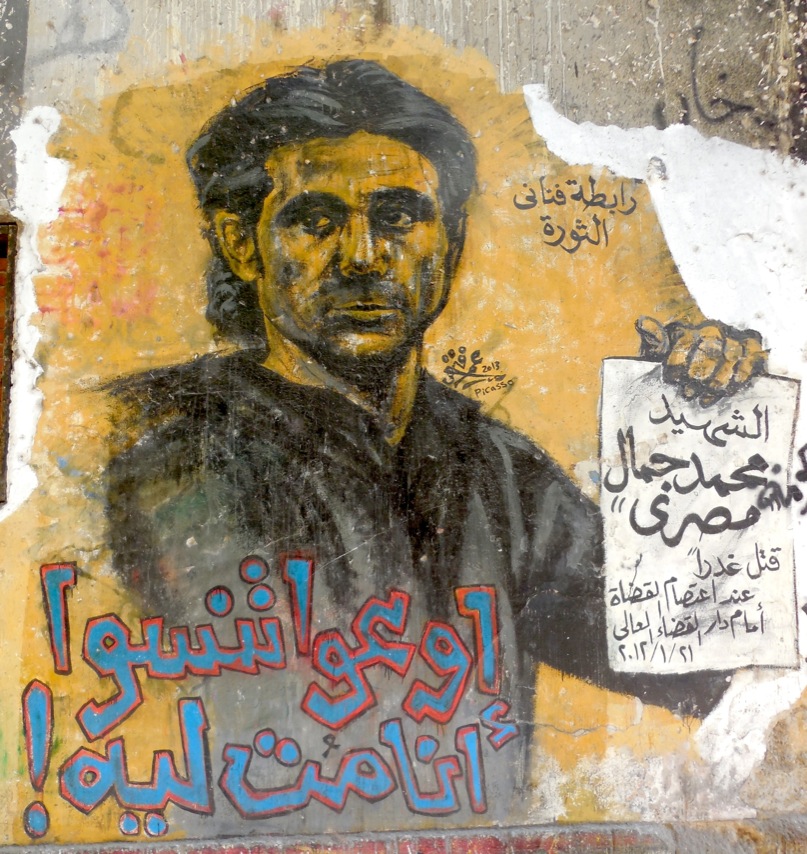
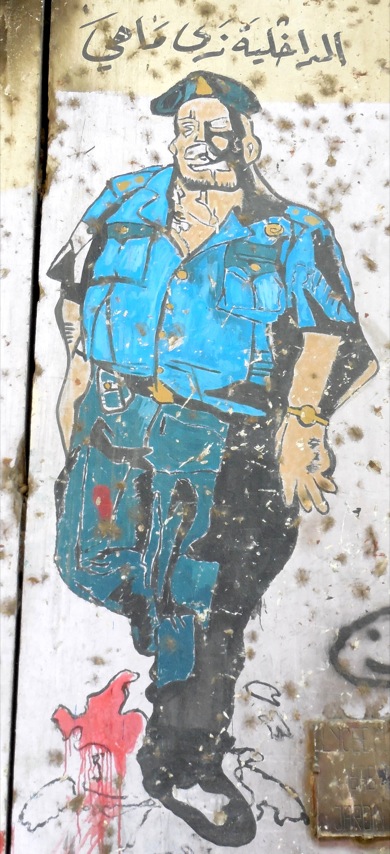
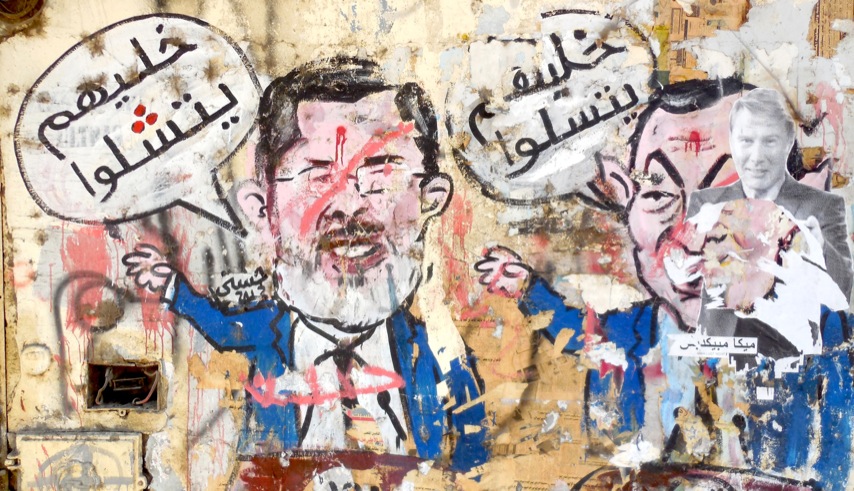
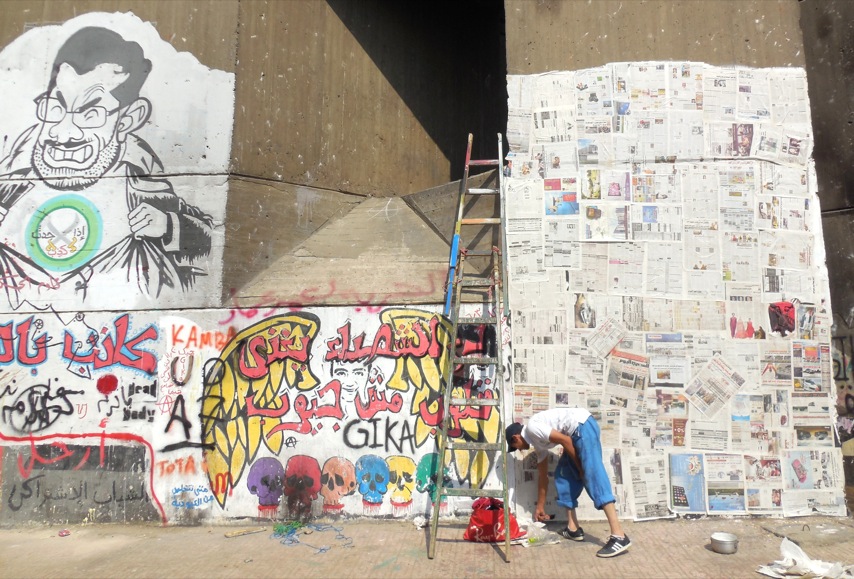
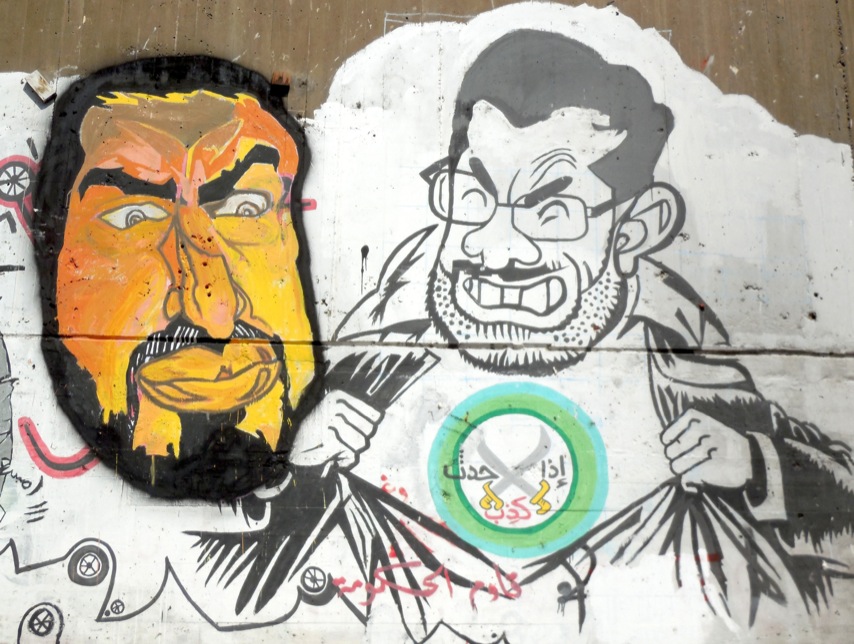
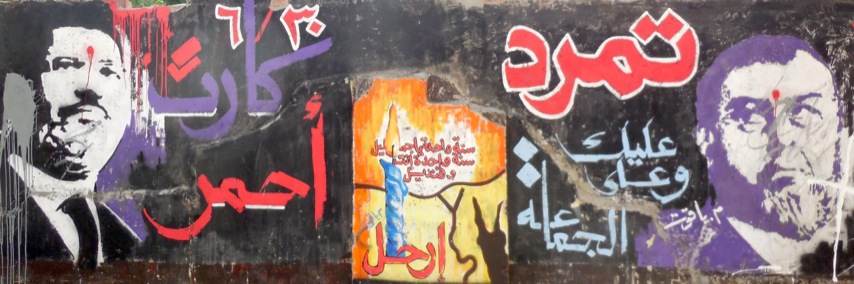
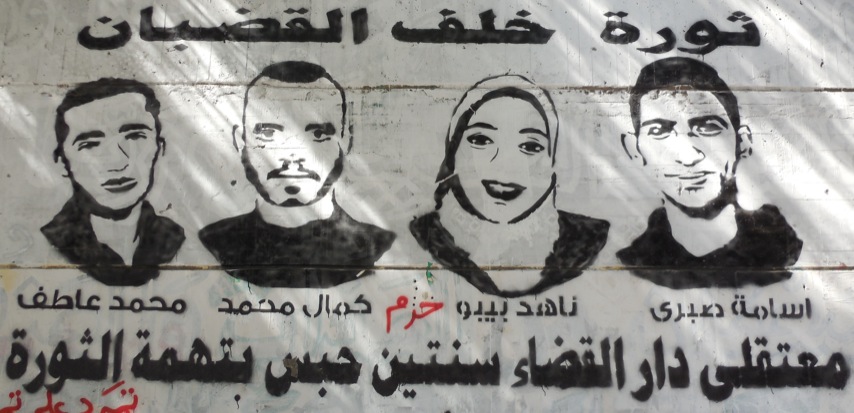
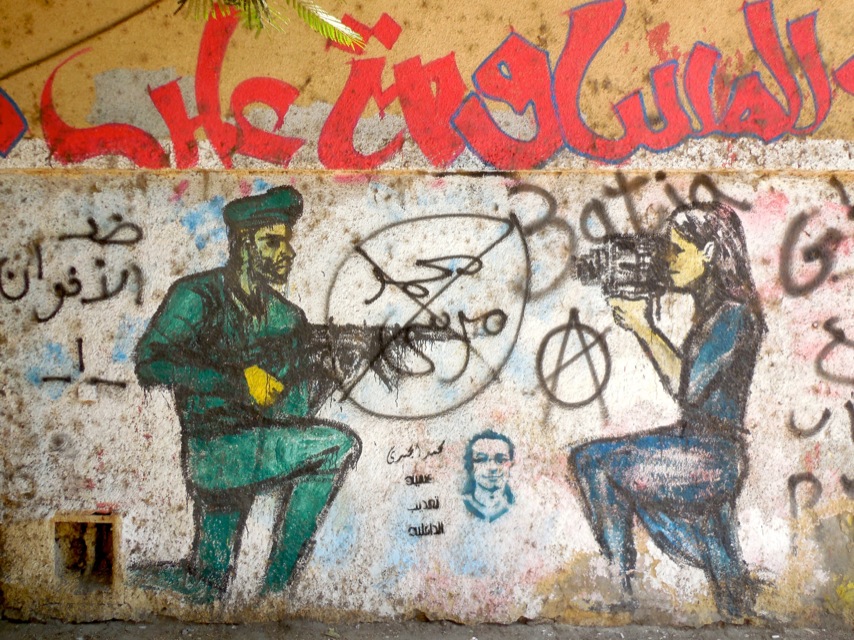
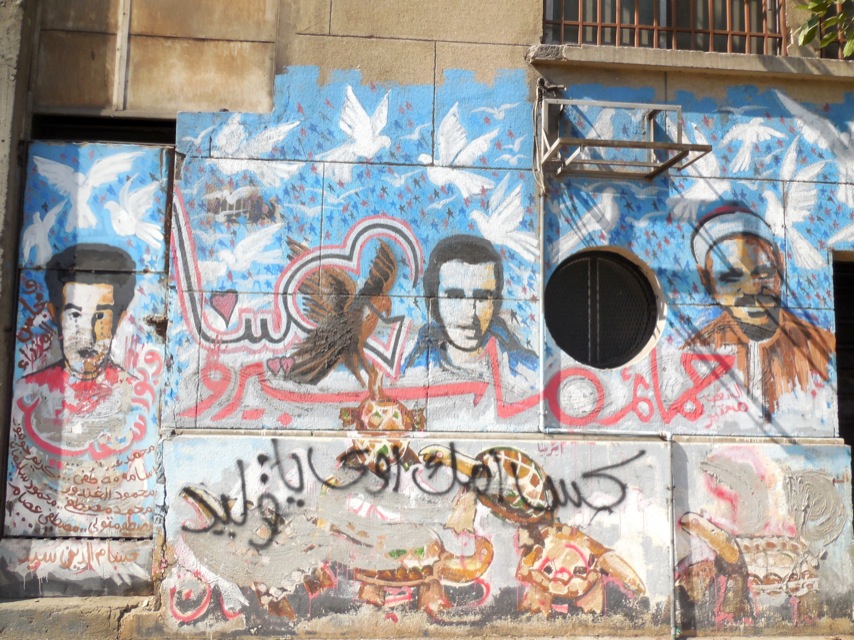
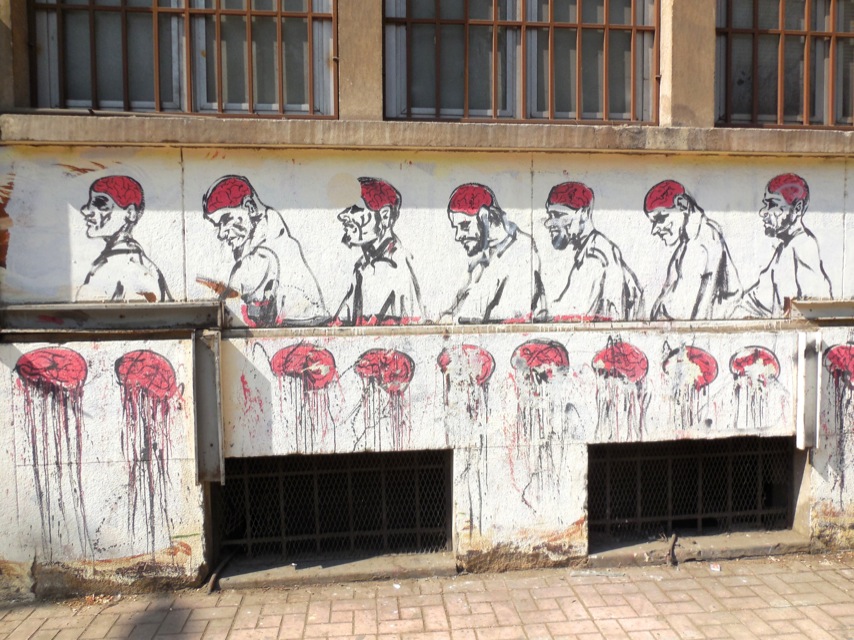
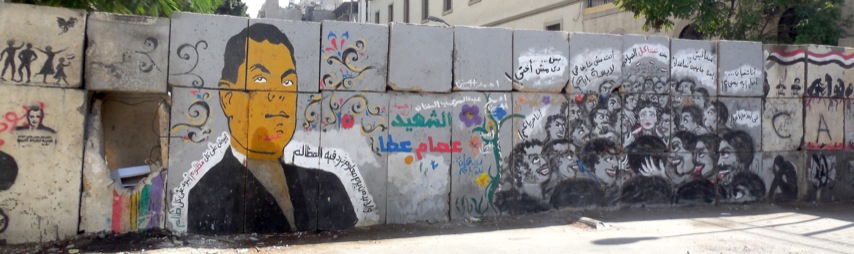
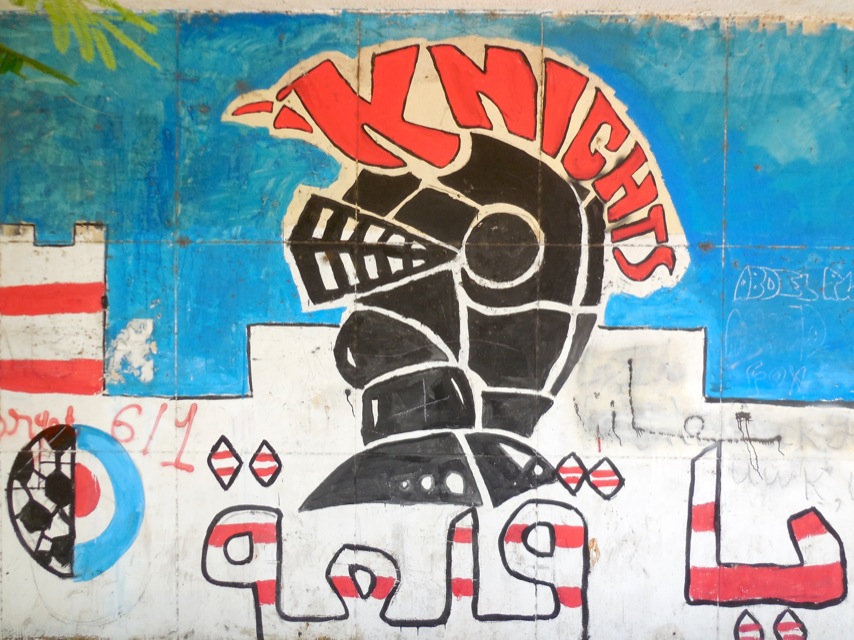
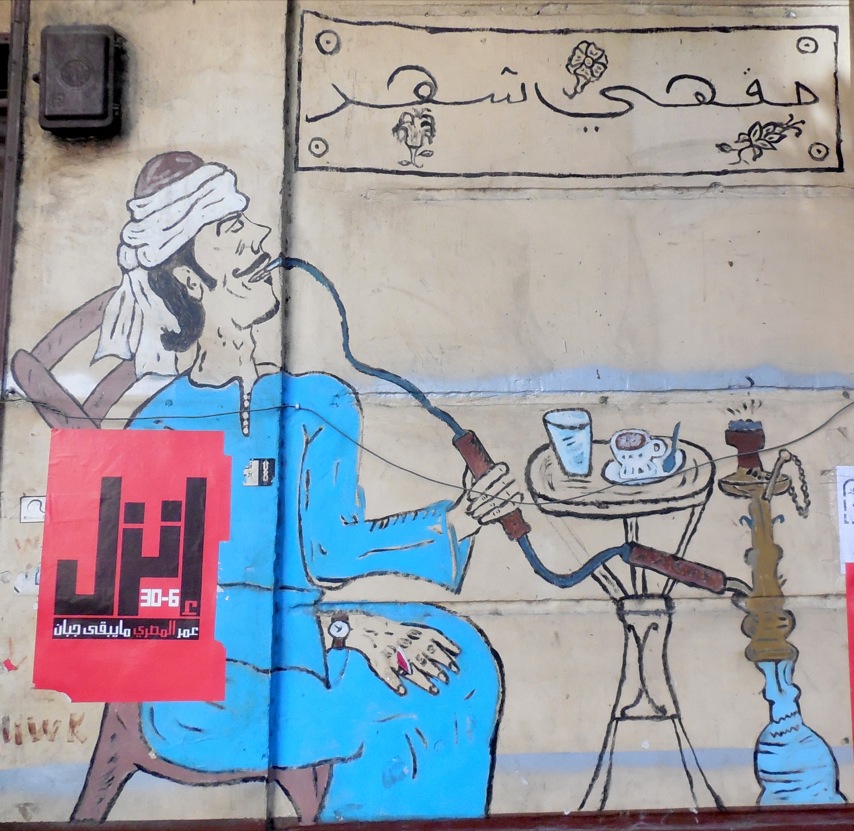
Also, revolutions inspire the best graffiti, which I will show you soon, despite my earlier promises.

Sad to say, but I am very glad to be leaving Egypt. It’s a place where you can’t trust anybody (even your hotel concierge!) unless you have friends here, have to be constantly mindful of your surroundings, and there is rampant corruption at all levels, everywhere (I have never refused a request for a tip from a man with a gun, police officer or otherwise, and I don’t think I ever will). Societies that operate like this will never prosper. And the food sucks. Except for the ancient sites, and the beautiful Nile in Aswan, and the revolutionary celebrations, it is not a great place to visit.

Greetings from Aswan and Luxor

Egypt is pretty nuts right now. The economy is depressed since the revolution and there seems to be no order, although I can’t be sure it wasn’t always like this. In Aswan, I stayed in Elephantine, a friendly Nubian island in the Nile where everyone was very muslim.

There’s nothing like seeing your first ancient Egyptian monument.

In Luxor, merchants, taxis and scammers are unbelievably aggressive, more than anywhere else I’ve ever been — it’s actually pretty ridiculous. At the Valley of the Kings, you’re not allowed to take any photos (even outside in the desert), so just believe me that the well-preserved, original, colourfully painted tombs are something else.

Also, there are never any clouds and it never rains. Ever.

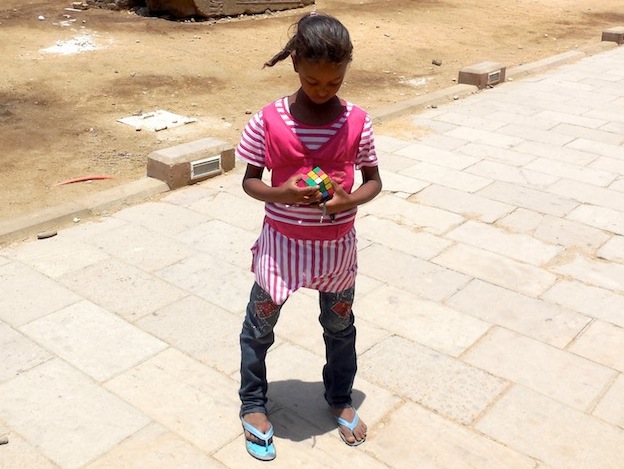
At Edfu Temple, a young little girl named Zamza was following me around trying to sell bracelets to me. I don’t like to transact money with kids as a matter of policy, so instead I gave her my rubik’s cube and showed her the idea. She was very excited. I explained to her that most people find the rubik’s cube difficult because they see only the square pieces (54 of them), but that there are actually only a few side pieces (12) and corner pieces (8) that act independently — in simpler words, of course. She was lovely. Hopefully she will get the hang of it.

And it turns out that ancient Egyptians worshipped wifi just like the rest of us.

Greetings from Istanbul

Don’t have much I want to say… I’m still livid following an event involving two exploited child beggars, their ruthless pimp, and an ensuing confrontation with said pimp and yours truly.

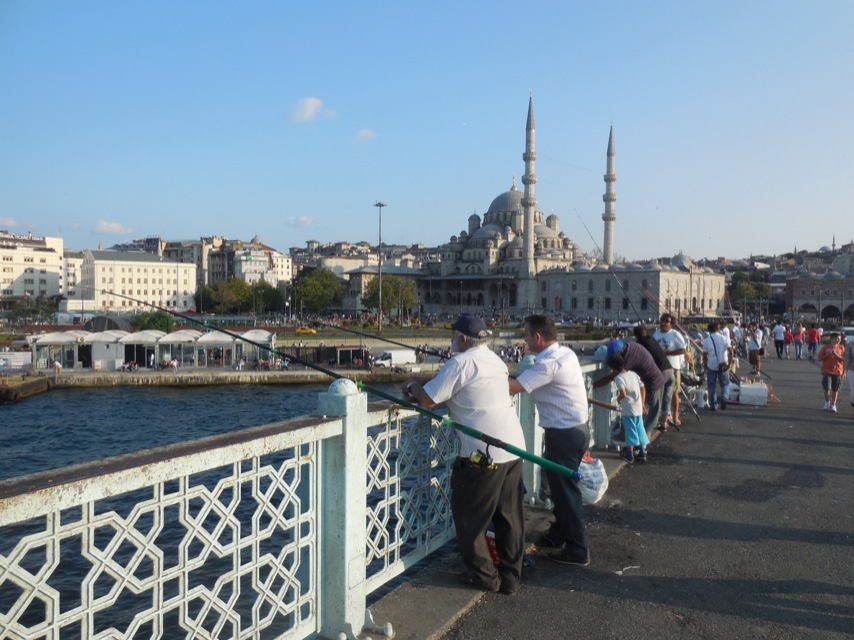
But if I had to choose one picture to best describe Istanbul, this would be my pick.

 
UPDATED (21 July 2013):

· Walking through Istanbul, you can just tell that this place was once the centre of the world.

· Turkish ice cream is very good (basically chewy hard ice cream). I don’t know why I never heard of it before.

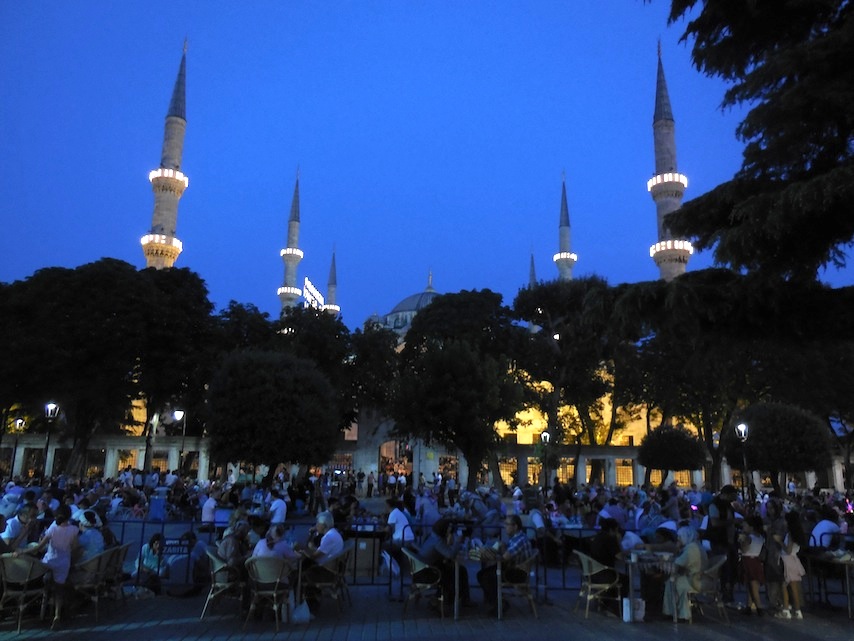
· Every night, Turkish families would break their Ramadan fasts on picnics around the mosques — it was wonderful to watch.

· And the great thing about the mosques is that they provide a nice little spot to nap inbetween exploring in the middle of the day (well, if you’re male).

· Before coming, everyone would say to me “Turkey is amazing”, but what I think they really meant to say was “Turkey is very nice, and Istanbul is amazing“.

Greetings from Bodrum, Selcuk, Pamukkale and Goreme

Don’t go to Bodrum.

Selcuk is a lovely town with even lovelier people. By my count I have seen 7 ancient Greek/Roman theatres, and I was still taken aback at how large the theatre in Ephesus was.

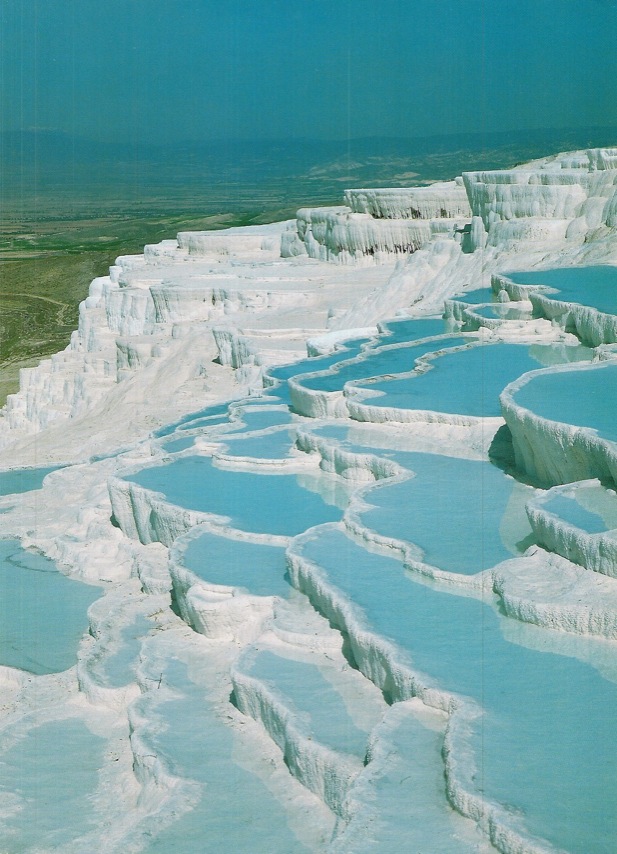
Pamukkale is actually kinda surreal. I don’t have any nice, proper photos, but luckily the internet is full them. It really does look like that.

pamukkale11.small

Cappadocia is another surreal place that looks like another planet. To understand, you will have to google it, because one picture won’t suffice. It just makes you a little sad when you see the underground cities, knowing people lived like that.

And just an aside: One of my favourite things in Turkey is that fruits and berries grow everywhere. Fresh mulberries and blackberries straight from the tree! Walking home and feel a little a hungry? Just grab some apricots from the apricot trees lining the street! No big deal.

Greetings from Athens

· Every young person you meet in Athens is unemployed and looking for work.

· It turns out that I can actually read Greek phonetically, mostly, although I don’t understand what I’m saying. People are impressed and ask me how. I tell them I am a mathematician. They don’t understand the connection. Actually, sometimes I can also figure out the meaning if a word is similar enough to something in English/French/Farsi. It’s amazing what you can do with just a little bit of cleverness.

· I played Iranian music for the person I’m staying with to show her that it sounds just like Greek music, and she described it as something in between Greek and Indian music, which I thought was so insightful (even if it’s obvious after).

· Exploring ancient ruins isn’t fun when you can’t climb them.

Greetings from Palermo

Let’s talk about Italy in general.

· We’re only used to it in mocking form, but Italians’ body language when they talk is actually very beautiful — I could stare at them conversing all day.

· Gelati: It is of course very good here, but not significantly better than what I can find in Toronto if I look hard enough. But here it’s all over the place, always good, and dirt cheap.

· Large, elaborate, beautiful churches everywhere (and especially in Rome), some blocks with two or three. You actually get sorta sick of them and wonder how they manage to fill them up every Sunday. My Napoli host told me that most of them are actually closed now except for a few days in the year.

· Italians need to take an honest look at the level of pollution in their cities — this is not what advanced, modern cities look like.

· Everyone I’ve talked to likes the euro and blames their crisis on the government (and Germans). Obviously I think the opposite.

· If I could describe Italian food in just one sentence, it would be something like: Respect your ingredients and your ingredients will take care of you.

Greetings from Napoli

· Napoli is a very strange place, in a very good way, but unfortunately very polluted.

· There is no hype: Napolitan pizza is unreal.

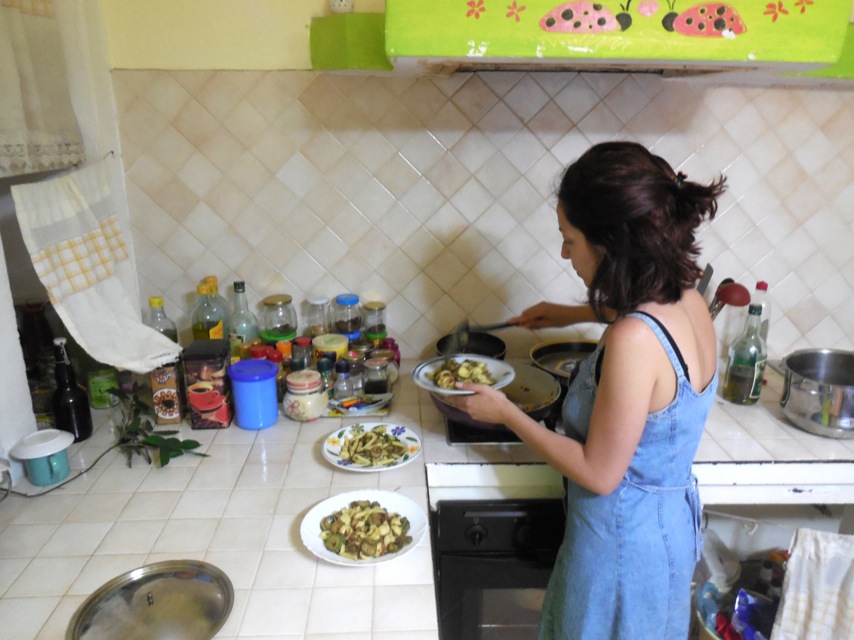
· My hosts in Naples were unbelievable. They took me to their favourite pizzeria, we roamed the streets together, cooked pasta together, and would stay up late on their rooftop terrace exchanging stories. That is what travelling is all about.

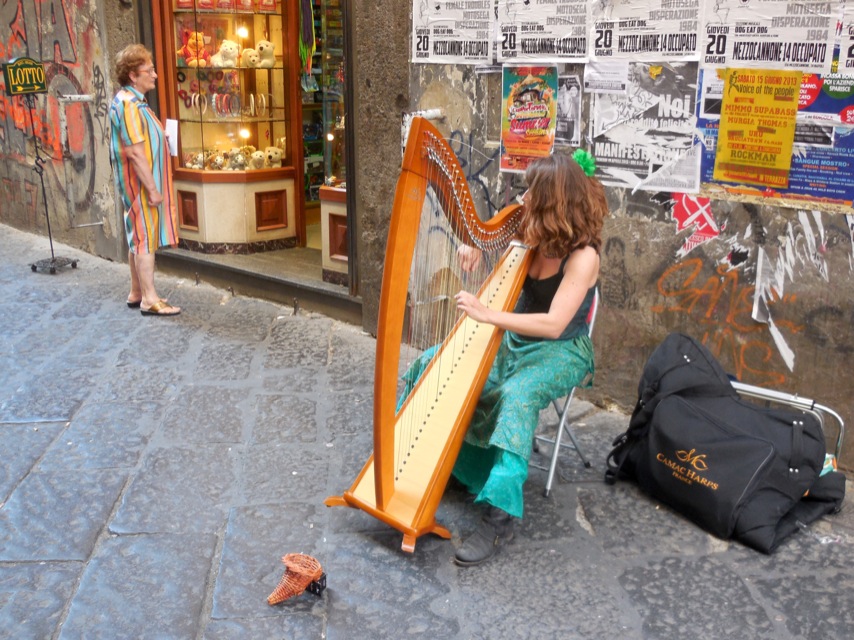
· one plays the harp, and sometimes plays on the street

· I’ve always gotten compliments on my shirts, but I’ve never had a stranger ask to flat-out exchange shirts on the spot. Of course I obliged.

· Speaking of tshirts, all over Italy you see people wearing skull tshirts. Boys, girls, men, women. And many of them aren’t lame, which is refreshing. Last year, I started my own collection of skull tshirts to prove that they don’t have to be lame — I’m currently up to 5.

· Pompeii is one the most amazing places I have ever been to — I was like a giddy schoolchild.

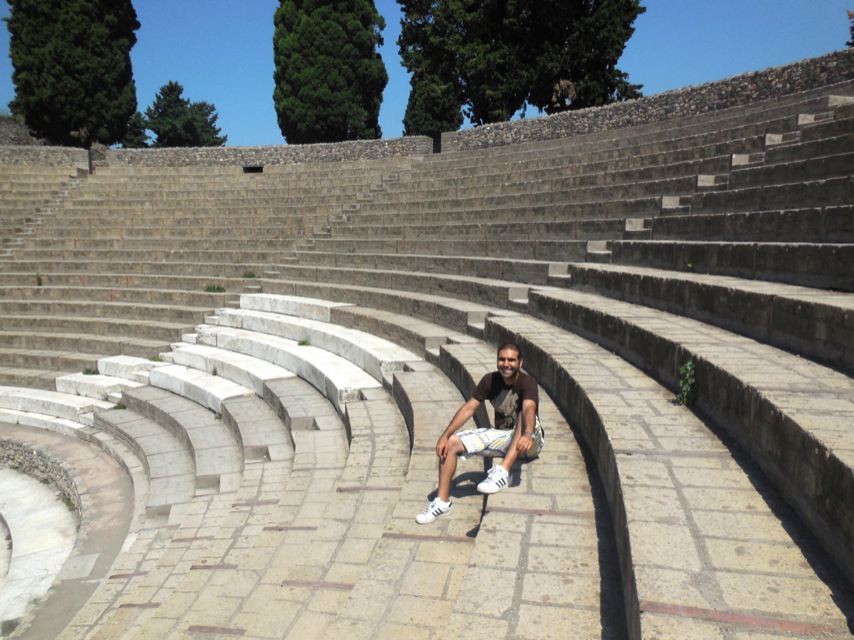
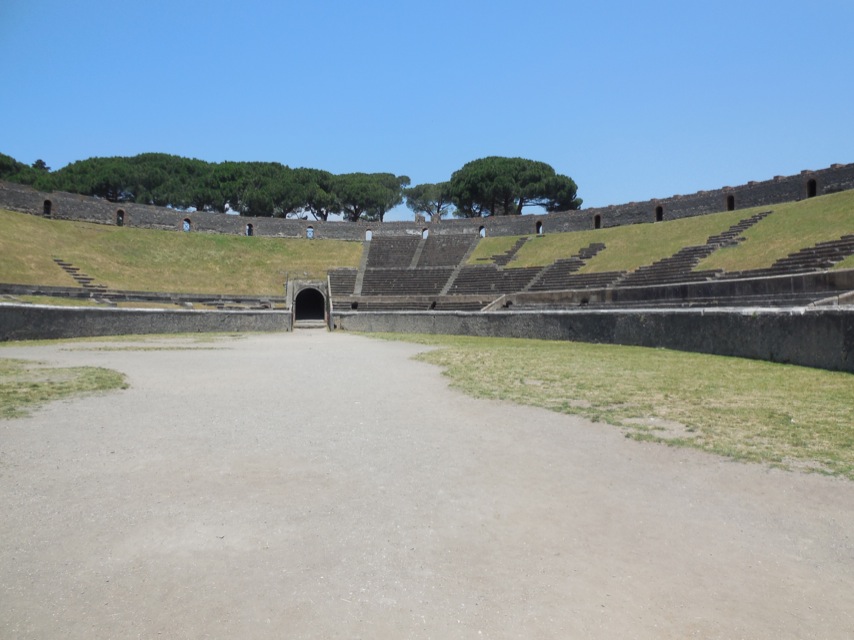
· Pompeii is huge, and not many people go. You often have the place to yourself, like in a 2,400 year old Greek theatre. Or maybe you stand in the middle of an empty ancient colosseum and imagine what it was like to be a gladiator.

Pompeii.2.small

· and I was so impressed with myself becuase I figured out on my own how to tell the difference between the Greek and Roman buildings.